Material Composition and High-Temperature Performance
Borosilicate glass mainly refers to toughened (tempered) borosilicate glass. It is a type of glass whose main components are SiO₂ and B₂O₃. It can handle high temperatures. It also resists thermal shock and fights off chemical attacks with great success.
Low Thermal Expansion and Thermal Shock Resistance
Borosilicate glass has a low thermal expansion rate. It can handle high thermal shock, and its surface changes little with temperature. It is the first choice for precision instruments.
Optical Clarity and Machining Capabilities of Borosilicate Sight Glass
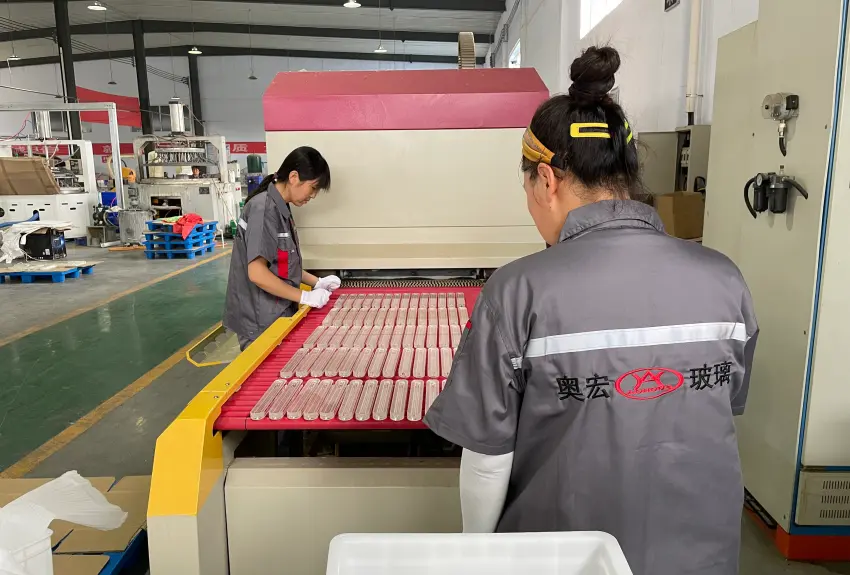
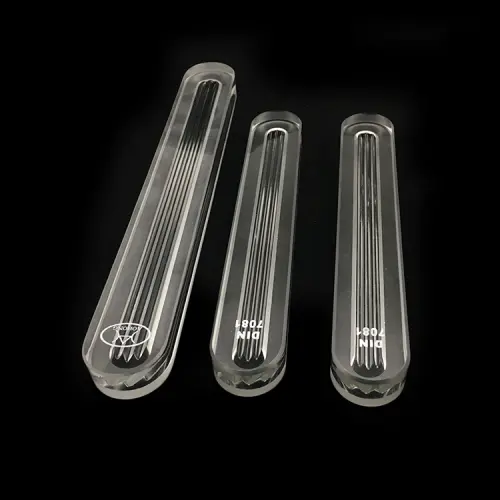
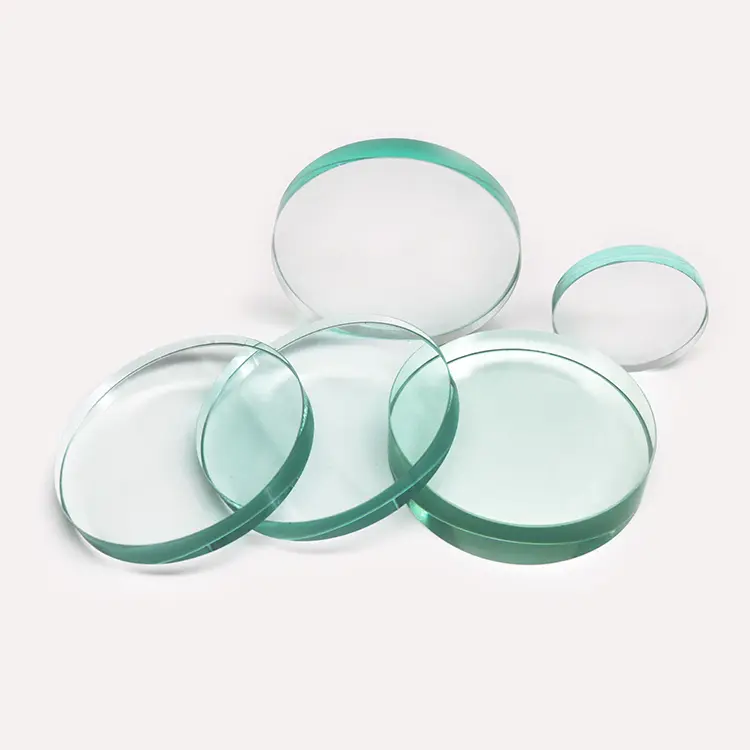
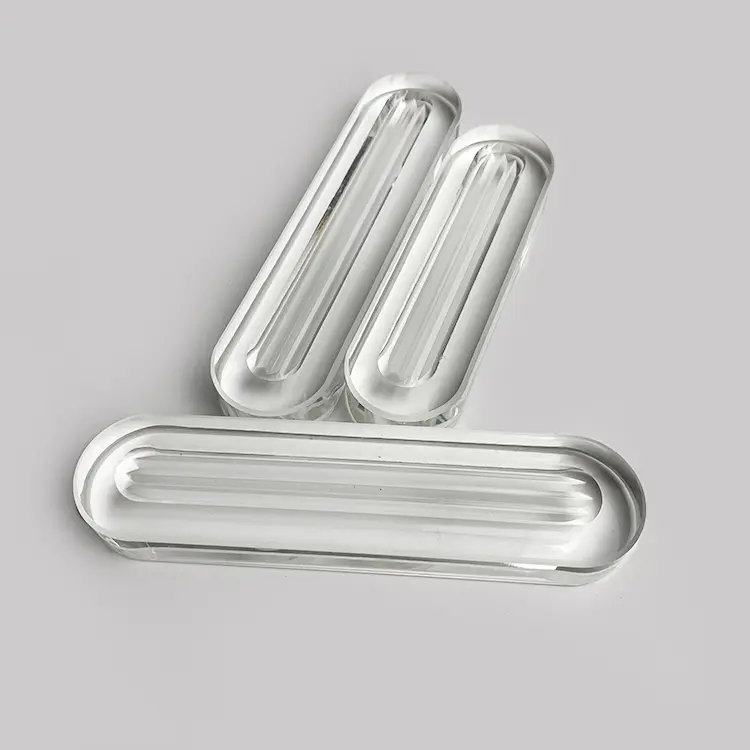
Borosilicate sight glass has few ferrous ions. It doesn’t absorb light in the visible spectrum. Because of this, it appears clear, transparent, and colorless. People widely use it as an observation window for effective and intuitive observation. Manufacturers can create borosilicate sight glass in flat shapes. These include round, square, and custom designs. You can also shape it into tubular glass. You can polish, drill, chamfer, and heat-treat the flat glass.
Typical Industrial Applications of Borosilicate Glass
The products are widely used in several areas. They serve in photovoltaic technology and as the outer cover for high-power floodlights. They are also used in level gauge glass and sight glasses. The chemical industry, medicine, and analytical engineering use these. They are also used in boilers, kilns, and observation glasses for high-temperature equipment.