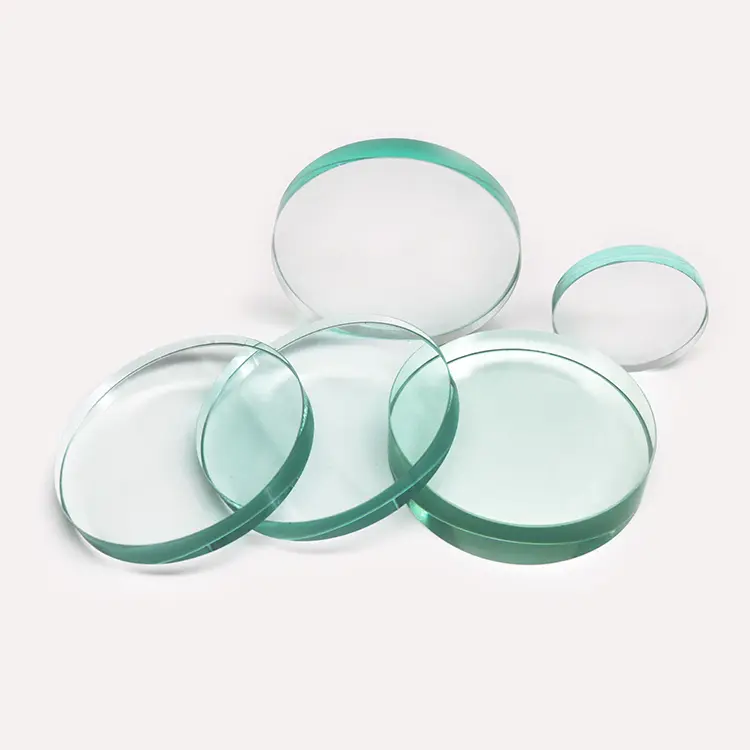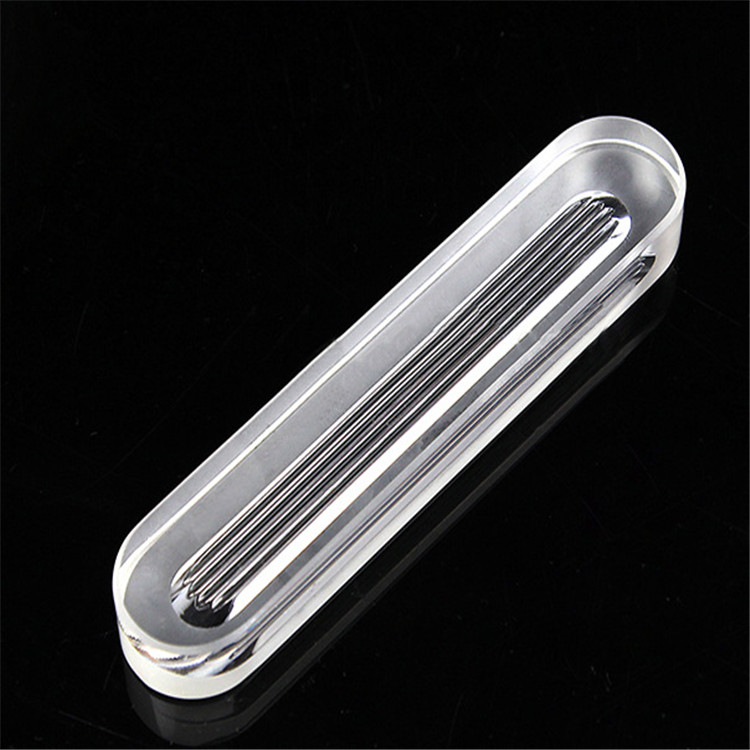
Borosilicate gauge glass and aluminosilicate glass (aluminum silicon) are two kinds of gauge glass. Various applications use them. Both types have unique perks. Borosilicate glass has great thermal resistance. Aluminosilicate glass excels in hardness and scratch resistance.
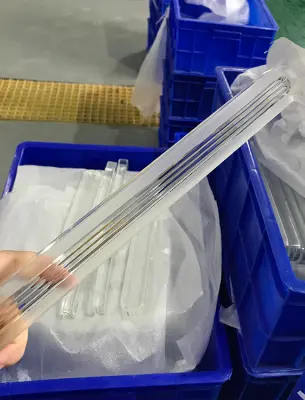
Here are the different manufacturing processes, applications, prices, and specifications:
Manufacturing Process:
Borosilicate Glass: This glass is made by adding boron to the typical mix of silicate sand, soda, and ground limestone. In the manufacturing process, the team heats the ingredients. They melt into a smooth mixture. When the mixture cools, it turns into glass. This glass is much tougher against heat and chemicals than regular glass.
Aluminosilicate Glass: Making aluminosilicate glass is like making borosilicate glass. The key difference is that it uses aluminum oxide instead of boron. Aluminum oxide boosts the glass’s chemical durability and hardness. This makes it tougher against scratches and breakage.
Applications:
Borosilicate Glass: This glass is tough against heat and chemicals. So, it’s ideal for places needing durability and thermal strength. This includes lab equipment, cooking tools, baking tools, high-intensity lights, and gauge glasses for steam boilers and tanks.
Aluminosilicate Glass: This glass is hard and scratch-resistant. People often use it where they need strong, durable glass. It’s a common material for smartphone screens, watch faces, and other devices. It also sees use in high-pressure gauge glasses.
Price:
In general, both borosilicate and aluminosilicate glasses cost more than ordinary glass. This is due to the extra processing they need and the superior properties they offer. Prices can change a lot. They depend on the application, size, and order volume. Aluminosilicate glass usually costs more. This is because it is more durable and resists breakage better.
Specifications:
Borosilicate Glass: People know this glass for its great thermal resistance. It can handle temperatures up to 500 degrees Celsius. It has low thermal expansion. This means it doesn’t change size much with temperature shifts. So, it won’t crack during quick temperature changes.
Aluminosilicate Glass: This glass is tough. It resists scratches and can handle high pressure. It has decent thermal resistance, but it doesn’t match borosilicate glass. Its better hardness and scratch resistance often make it the top choice for tough jobs.