
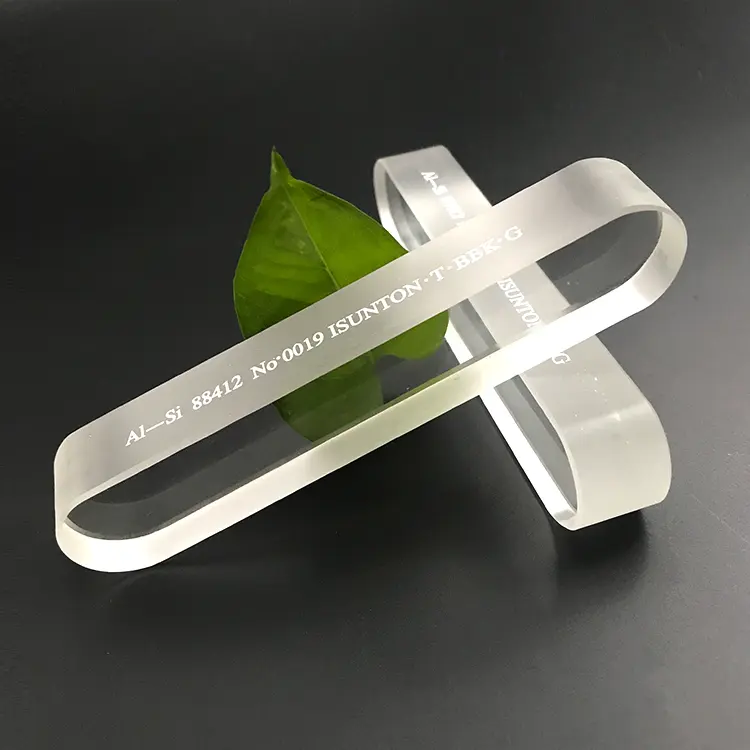
Recommended gauge glass
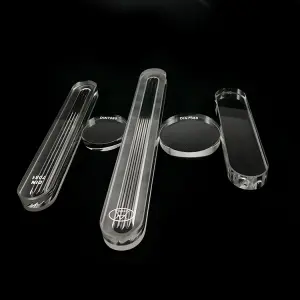
Transparent flat gauge glass
Borosilicate glass
Standard rectangular strip glass for level gauges

Best for
Water tanks
Cooling systems
Boiler auxiliaries
Utility systems
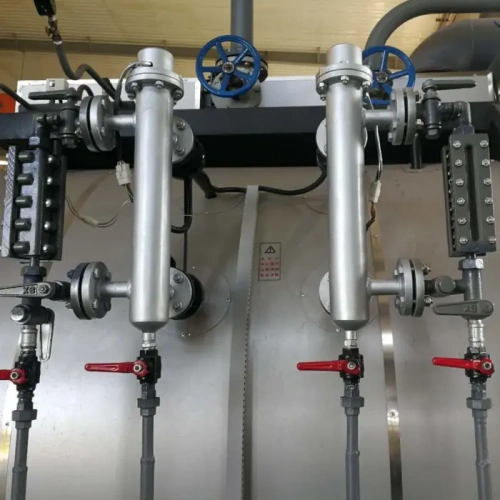
Why ?
Water is usually not highly corrosive, so optical clarity and mechanical strength matter more than chemical resistance.
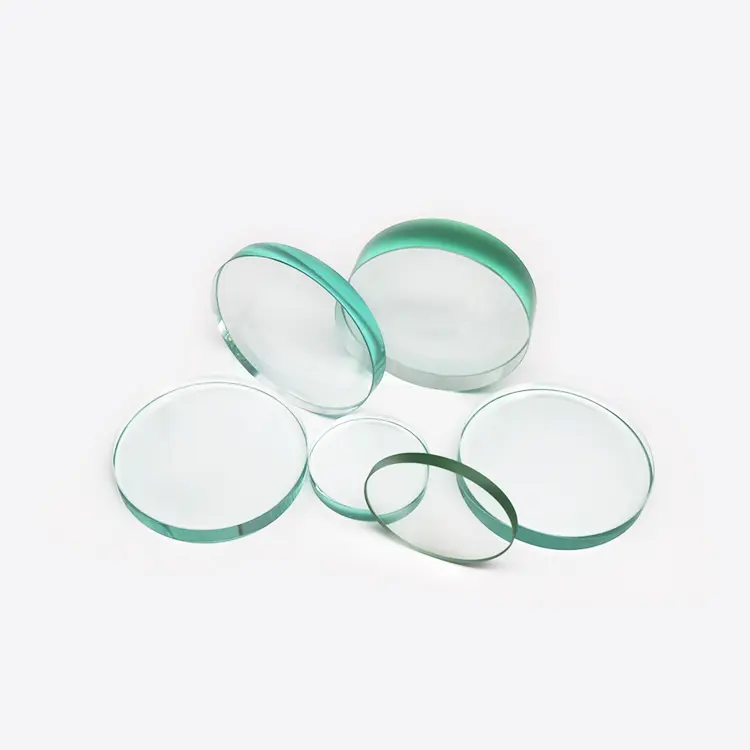
Recommended gauge glass
High-purity borosilicate gauge glass
Smooth-edge transparent glass
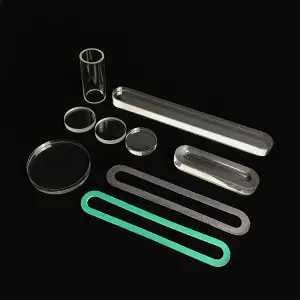
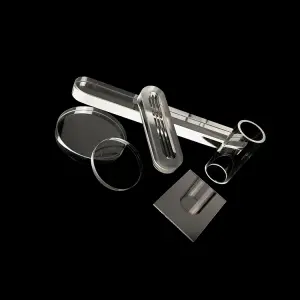
Round tubular glass for small systems
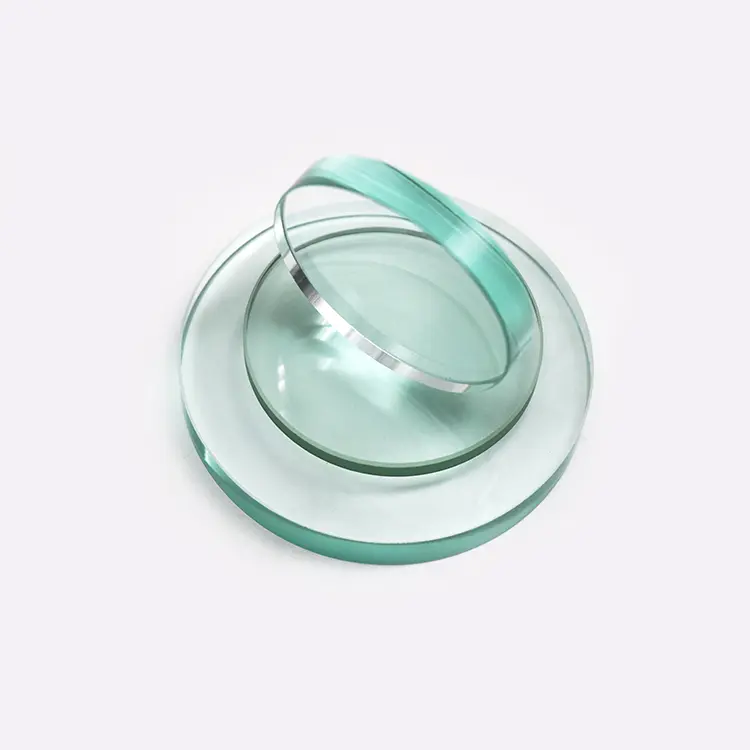
Best for
Pharmaceutical equipment
Laboratory tanks
Clean water storage
Food-grade process lines
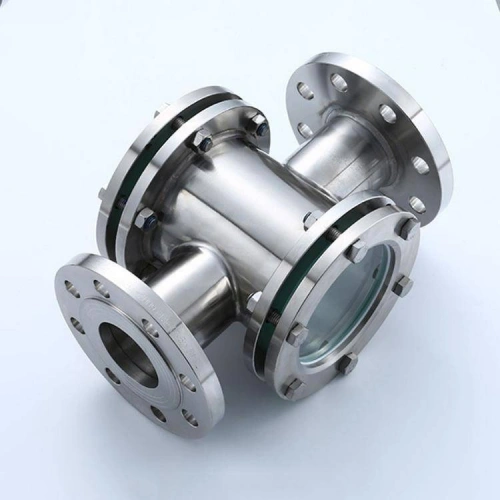
Why ?
These systems often require low contamination risk, stable performance, and easy inspection.
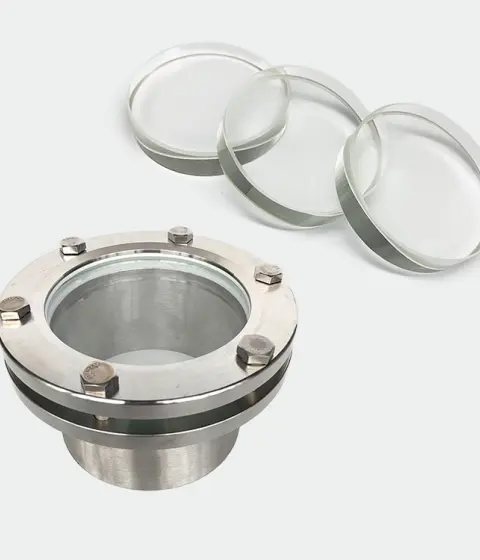
Recommended gauge glass
Transparent gauge glass
Chemical-resistant borosilicate glass
Sight glass window with proper sealing gasket
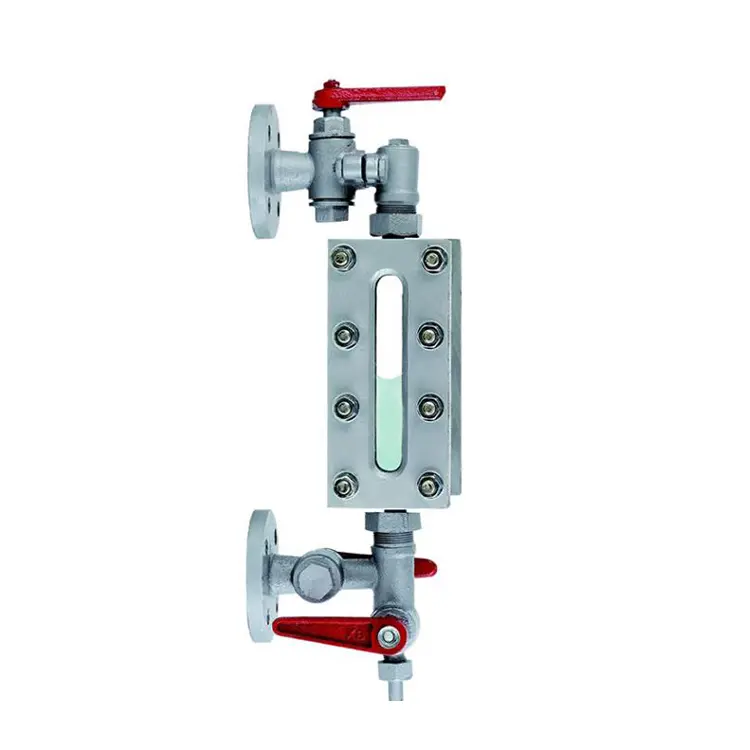
Best for
Storage tanks
Blending vessels
Chemical dosing tanks
Alcohol process equipment
Why ?
Alcohol systems usually need good sealing, stable visibility, and compatibility with cleaning cycles.
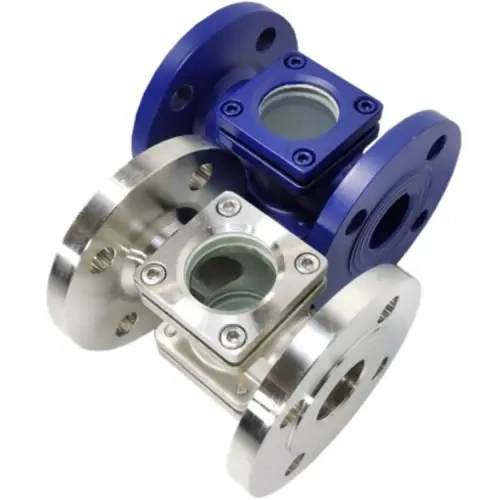
Recommended gauge glass
Transparent gauge glass
Wide-view flat gauge glass
Round glass for low-pressure oil containers
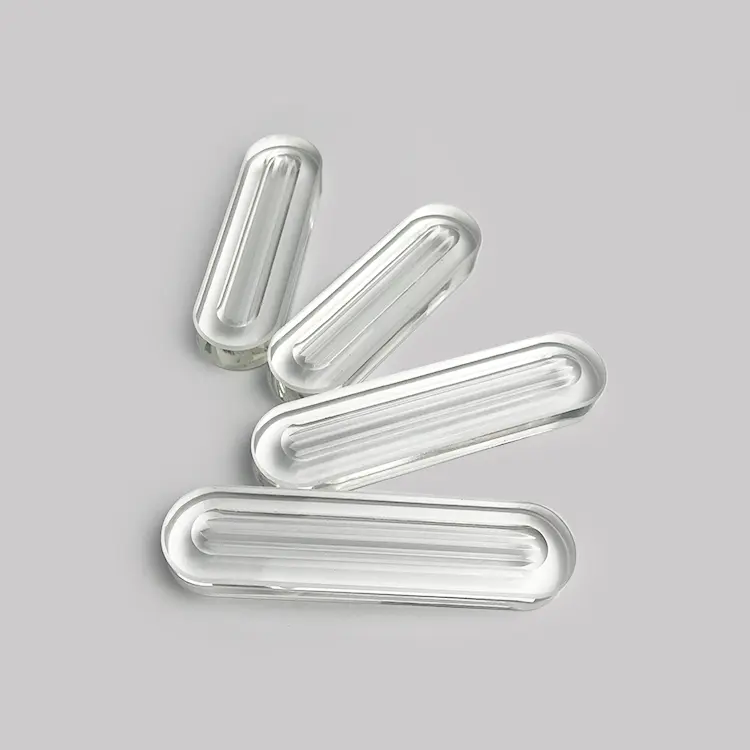
Best for
Lubrication systems
Hydraulic units
Oil storage tanks
Light fuel systems
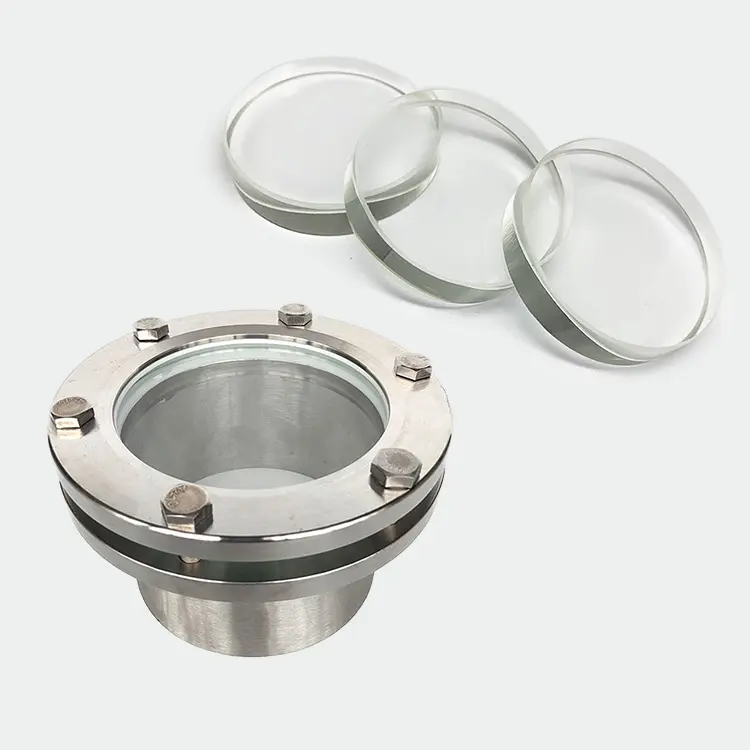
Why ?
A wider viewing area improves reading accuracy when the liquid is transparent but has a different refractive index from water.
Recommended gauge glass
Borosilicate glass
Aluminosilicate glass for tougher service
Quartz glass for high-temperature or special chemical duty
Best for
Chemical reactors
Mixing tanks
Solvent tanks
Dosing systems
Why ?
These fluids may be clear, but their chemical attack on glass, gasket, and frame can be severe.
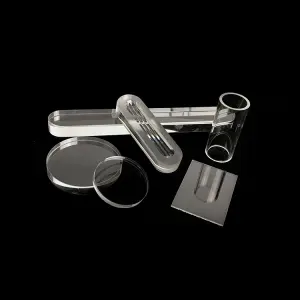
Typical applications
Small tanks
Laboratory equipment
Dosing containers
Portable vessels
Recommended shape
Round tubular glass
Small rectangular glass panel
Typical applications
Process tanks
Pressure vessels
Boiler systems
Industrial reactors
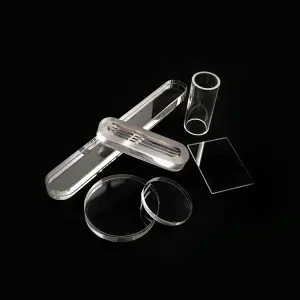
Recommended shape
Transparent flat gauge glass
Thick rectangular strip glass
Sight glass window with clamp or bolted frame
Why ?
Standard soda-lime glass is usually not the best choice for thermal cycling or hot service.
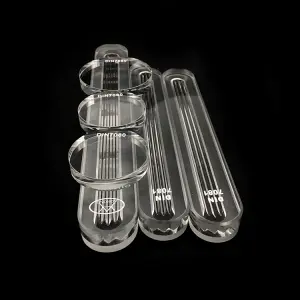
Recommended shape
Borosilicate glass
Aluminosilicate glass
Quartz glass for extreme temperature service
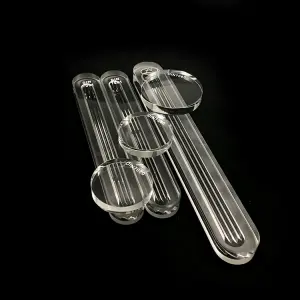
Important
The glass may be suitable, but the gasket, frame, and sealing method must also be chemical-resistant.
Recommended shape
Borosilicate glass for general chemical resistance
Quartz glass for more demanding service
Correct gasket material matched to the fluid
Advantages
Good thermal shock resistance
Good chemical resistance
Clear optical performance
Widely used in industrial equipment
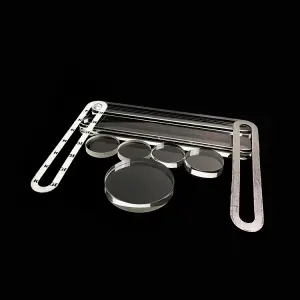
Best for
Water
alcohol
light chemicals
general industrial liquids
Advantages
Better mechanical strength
Better resistance to thermal stress than ordinary glass
Suitable for tougher industrial environments
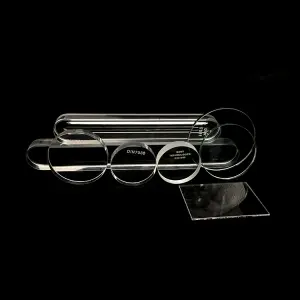
Best for
Higher-pressure or more severe service conditions
Advantages
Excellent high-temperature stability
Strong chemical resistance
Excellent clarity
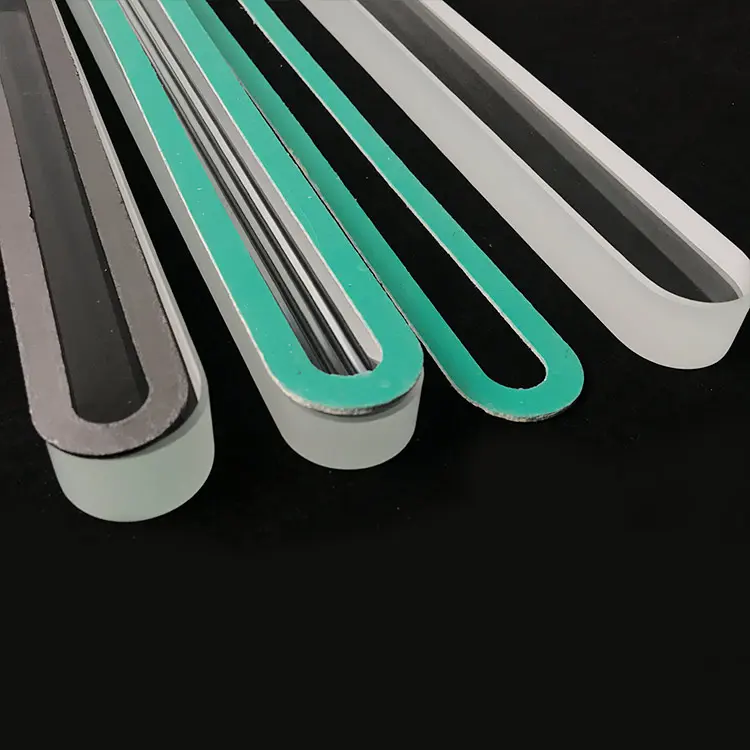
Best for
Special chemical
high-temperature or premium industrial applications
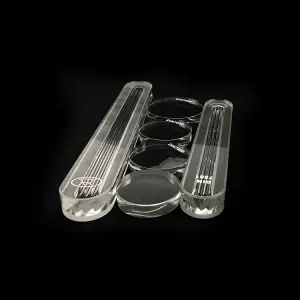
Advantages
Lower cost
Good clarity for simple use
Limitations
Lower thermal shock resistance
Less suitable for severe industrial service
Best for
Light-duty
low-stress
non-critical applications