


Our chief engineer
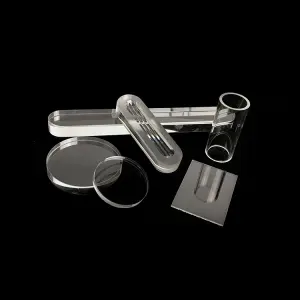
Transparent Gauge Glass for Chemicals Solution
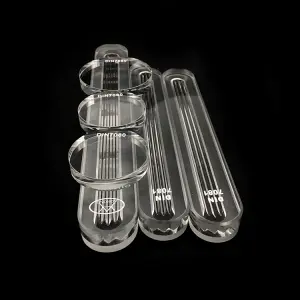
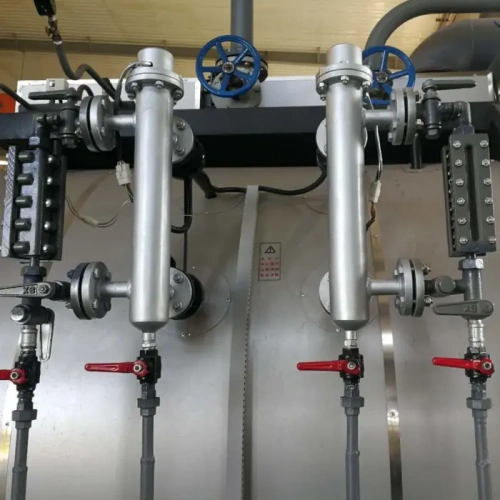
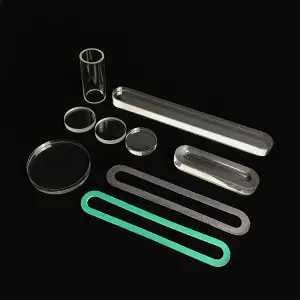
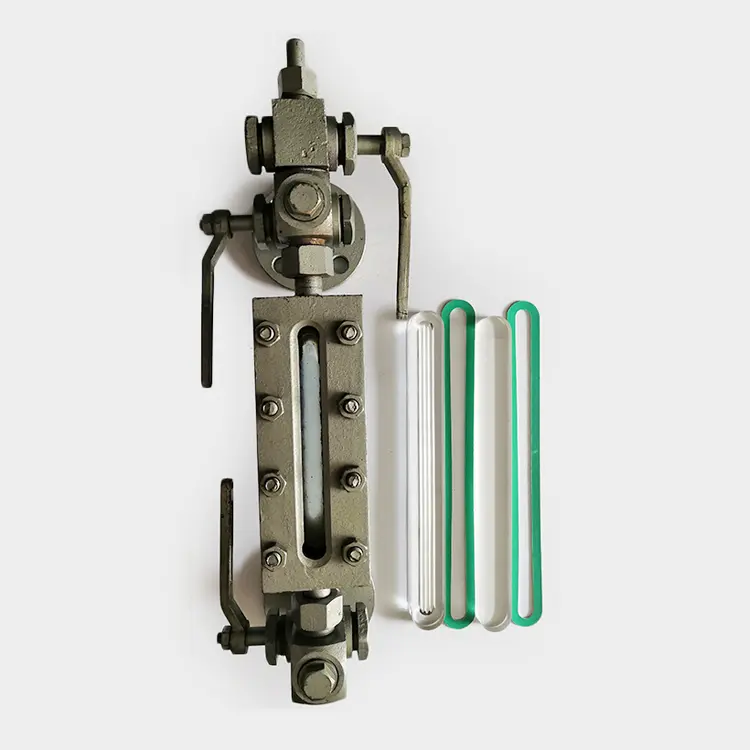
Transparent gauge glass with mica shield for chemicals is designed for chemical process equipment that needs clear level visibility, stronger surface protection, and longer service life. In chemical service, the glass itself is not the only concern. Buyers must also consider corrosion resistance, thermal shock, sealing reliability, and protection against aggressive media.
For procurement teams and end users, the key question is simple: which gauge glass can safely and clearly monitor chemical liquids without frequent replacement or reading problems?
Why Chemical Service Needs a Special Gauge Glass
Chemical liquids can be transparent, colored, corrosive, hot, or a combination of all four. In real operation, the main challenges are:
- Corrosion from acids, alkalis, or solvents
- High temperature and thermal shock
- Surface attack, staining, or clouding
- Poor readability in strong reflection or vapor conditions
- Leakage risk caused by incompatible gaskets or poor sealing
- High maintenance cost from short service life
What Does the Mica Shield Do?
A mica shield is used as a protective layer in front of the gauge glass. It helps reduce direct attack from harsh chemical media, hot vapor, and surface contamination.
For chemical applications, the mica shield can help:
1
Protect the glass surface from aggressive media
2
Reduce staining and surface damage
3
Improve service life
4
Maintain visibility longer under difficult process conditions
5
Support safer and more stable level observation
Recommended by Chemical Application
Acid and Alkali Tanks
For corrosive acids, alkalis, and cleaning chemicals, material compatibility is critical.

Recommended solution
Transparent gauge glass with mica shield
Borosilicate or quartz glass
Chemical-resistant gasket system
Best for
storage tanks
dosing systems
process vessels
Solvent and Reagent Systems
For solvents and laboratory or industrial reagents, clarity and sealing stability matter most.

Recommended solution
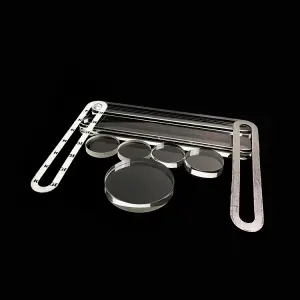
Transparent gauge glass
Mica shield for added protection
Flat or window-type design
Best for
mixing tanks
reaction vessels
feed systems
High-Temperature Chemical Service
For hot chemical liquids or vapor-heavy systems, thermal resistance becomes a major concern.

Recommended solution
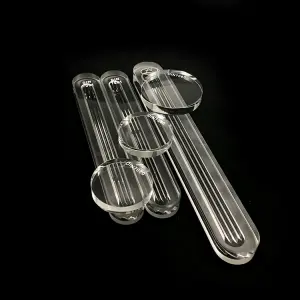
Borosilicate or quartz gauge glass
Mica shield
Heavy-duty mounting structure

Best for
reactors
heated tanks
chemical pipelines
Colored or Reactive Chemical Liquids
For liquids that may stain, foam, or react on contact, the surface of the glass needs extra protection.

Recommended solution
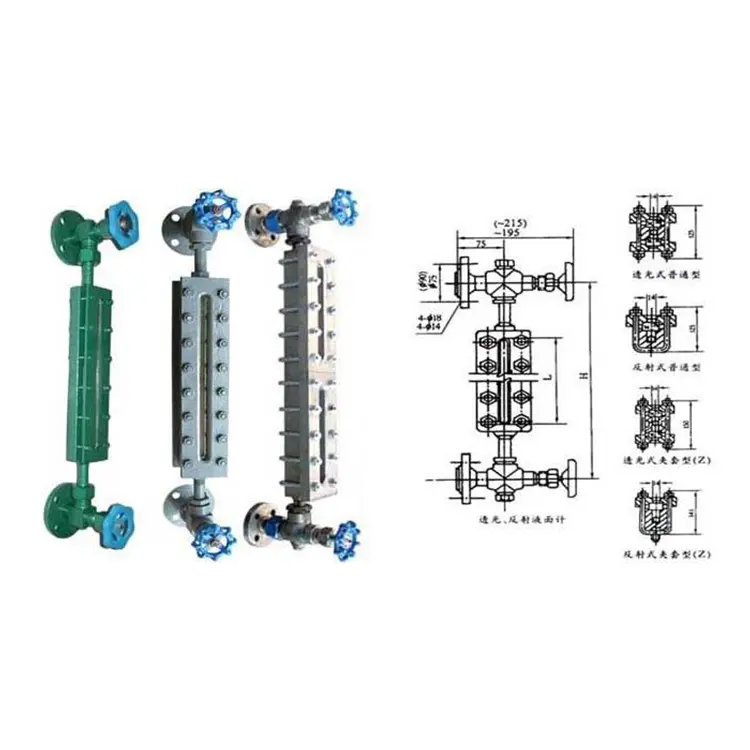
Transparent gauge glass with mica shield
Wide-view design
Stable sealing components
Best for
chemical blending tanks
specialty chemical vessels
process monitoring points
Material Options
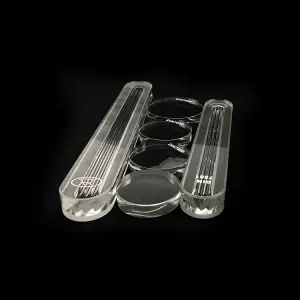
Borosilicate Glass
A common option for general chemical service.

Advantages
Good chemical resistance
Good thermal shock resistance
Clear optical performance
Suitable for
general acids
alkalis
solvents
and process liquids
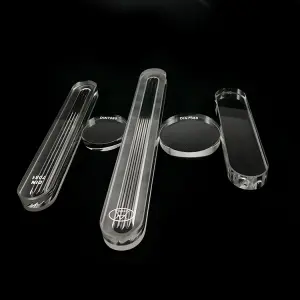
Quartz Glass
Used for more demanding chemical and thermal conditions.

Advantages
Excellent high-temperature resistance
Strong chemical stability
High clarity

Suitable for
aggressive chemicals
high-heat process systems
Aluminosilicate Glass
Used where mechanical strength is important.

Advantages
Stronger mechanical performance
Better resistance in demanding industrial environments

Suitable for
higher-stress chemical equipment
Why This Solution Matters
For chemical users, the right gauge glass is not only about seeing the liquid level. It is about:
- Protecting equipment
- Reducing maintenance
- Improving operator confidence
- Avoiding leakage and downtime
- Extending service life in harsh conditions