Working Principle of Reflex Level Gauges
As a Level Gauges Supplier, I share with you. Reflex Level Gauges are usually used for liquid level detection in specific containers. The main idea is the difference in refractive index between vapor and liquid.
Definition and Basic Characteristics of Reflex Level Gauges
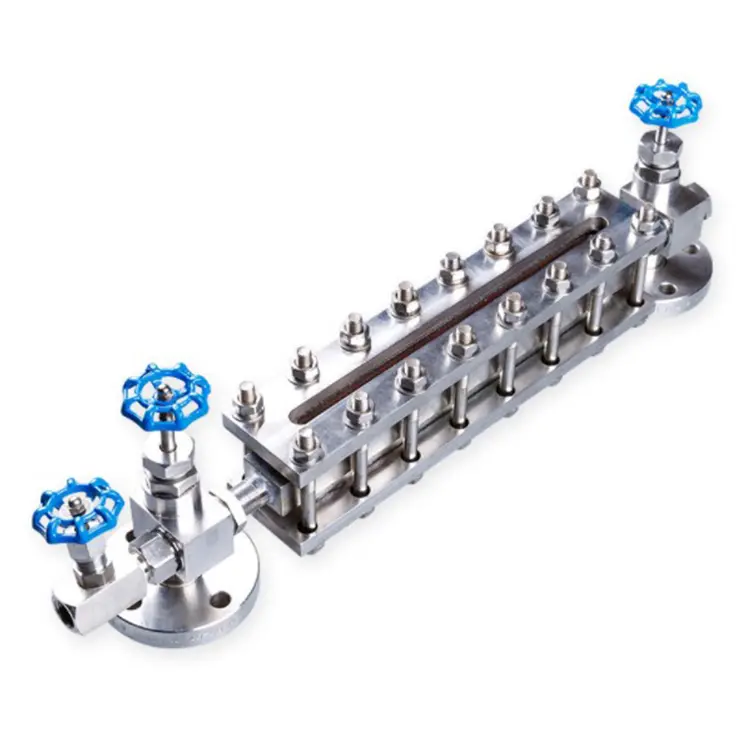
The reflective level gauge, or prismatic level gauge, shows a clear image of the water level. This reduces the risk of distortion or reading errors. You can install the reflective level gauge at an angle or vertically. This setup improves reading accuracy and reliability. As you can imagine, this is very beneficial to many industries.
Installation Flexibility and Field of View Advantages
Level Gauge offers great flexibility in combining various parts. This can enhance the field of view. Reflective level gauges are useful in many areas.
Typical Applications of Reflex Level Gauges
You can find them in:
Feedwater heaters
Degassers
Boiler drums
Various water tanks
Structural Design of Reflex Level Gauge and Prism Glass
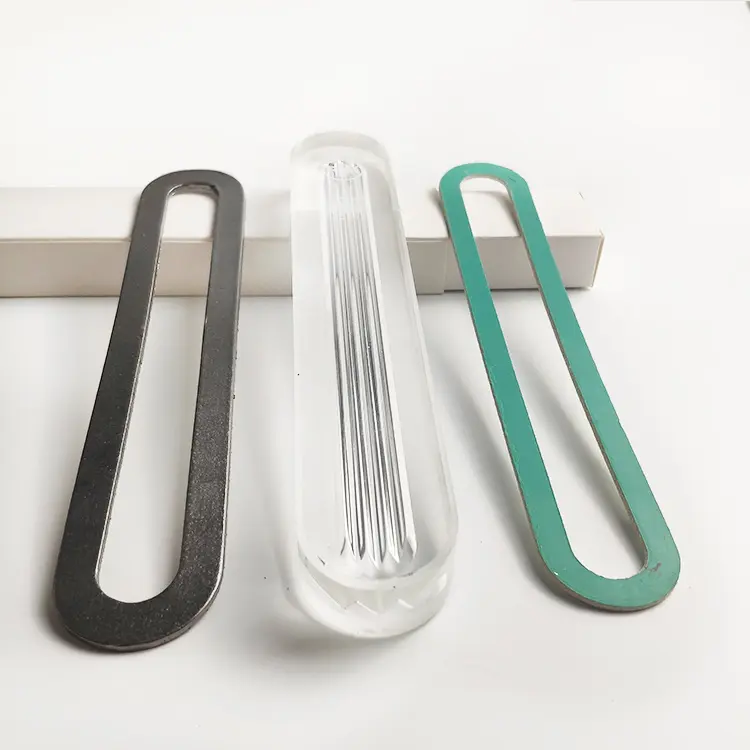
For the Reflex Level Gauge, there’s a liquid column in the groove of the liquid chamber. This column presses against the main body of the gauge and sits behind a piece of glass. The glass is flat on the outside, but on the inside, it has a series of prism grooves facing the vapor and liquid spaces. Light behaves differently based on where it enters. If it hits the vapor space, it reflects. If it enters the liquid space, it gets absorbed.
Optical Display Principle Based on Light Reflection and Absorption
Light strikes the groove surface in the vapor space and reflects off the opposite groove. Then, it bounces back toward the viewer. In the liquid phase, the substance absorbs light. This creates one display for the area covered by the liquid and another for the area above it.
Measurement Accuracy and Visual Contrast of Prism Level Gauges
The reflective level gauge uses prism glass. It measures the liquid in the container accurately. When light hits the glass without liquid, the prism reflects the light directly out of the gauge. The contrasting colors create a clear outline, making it easy to view the measurement.
Structure and Reading Principle of Transparent Level Gauges
The composition and design of the transparent level gauge are unique. The gauge is non-tubular. It has two clear flat glasses with liquid between them. The different transparency of the two media can show the liquid level. The back of the transparent level gauge has a light source. This light reflects downward to the observer. As a result, the measurement can be easily read or estimated. For most installations, a transparent level gauge is suitable.