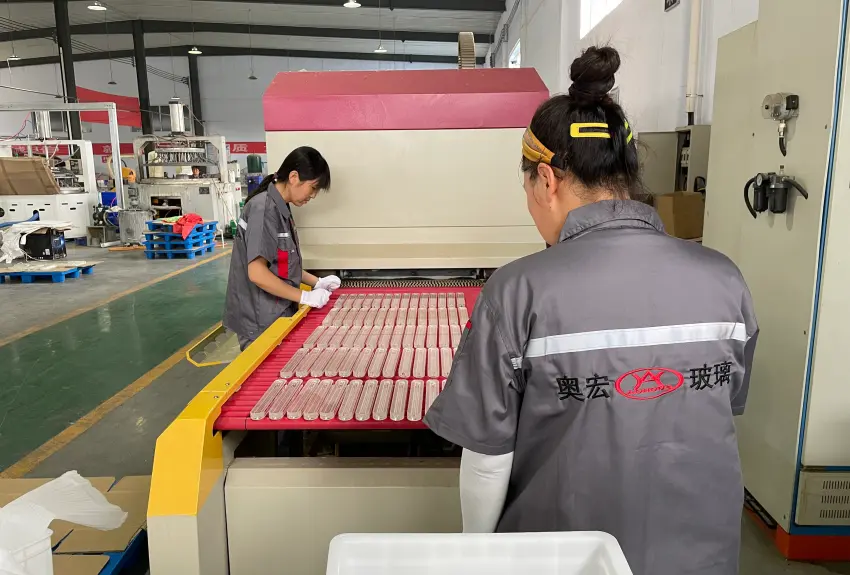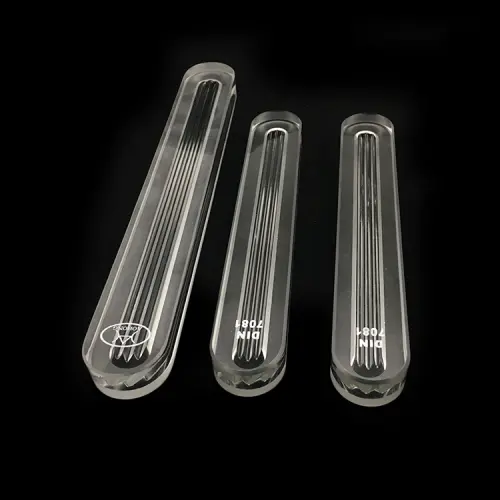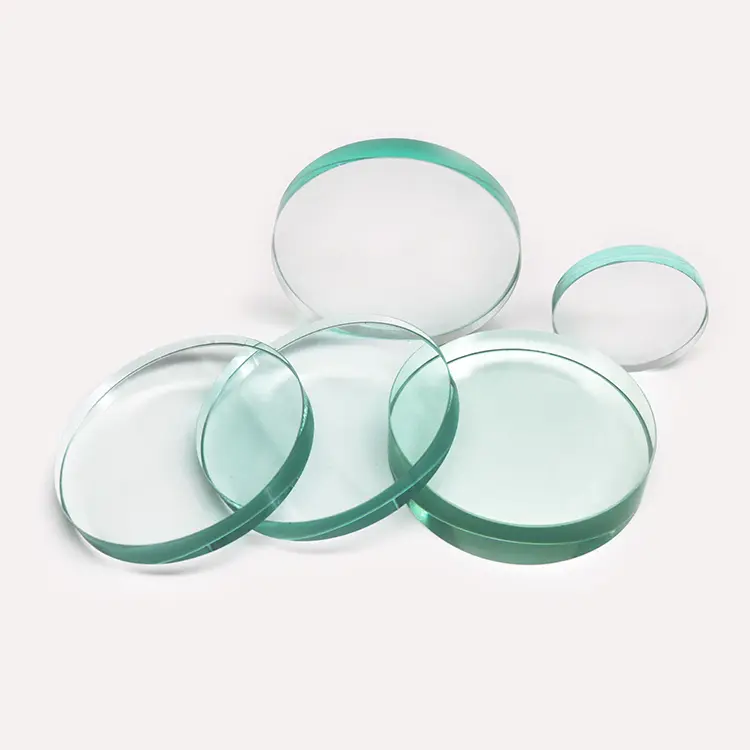
As a glass lab manufacturer, I share this with you.
Coating is to coat a very thin, transparent film on the surface to reduce light emission.
You can make coated glass using several methods. The main ones are:
-
Vacuum magnetron sputtering
-
Vacuum evaporation
-
Chemical vapor deposition
-
Sol-gel method
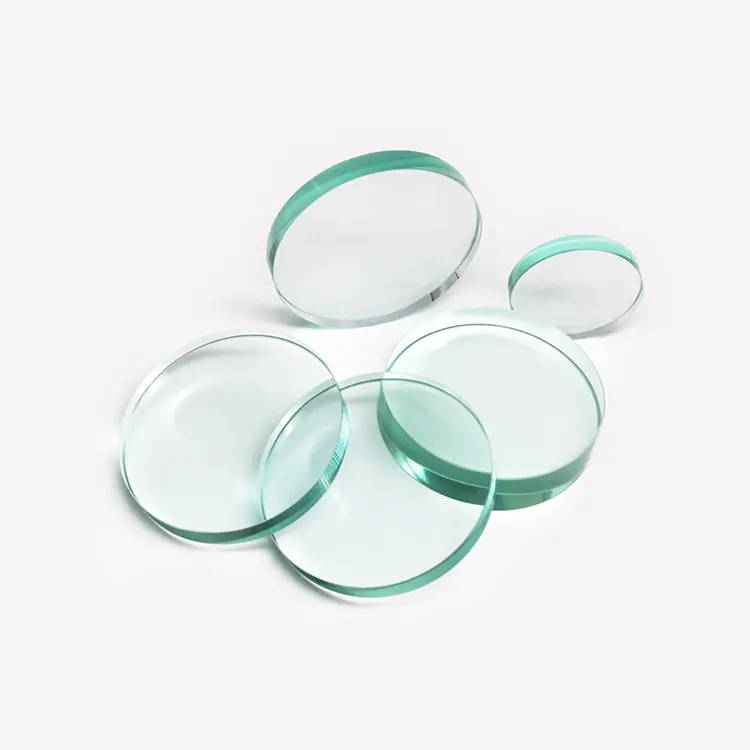
1. Magnetron sputtering coated glass can create complex multi-layer films. This technology allows users to apply various colors to a white glass substrate. The film has good corrosion and wear resistance. This makes it suitable for production. And one of the more used products.
2. Vacuum evaporation-coated glass doesn’t match the variety and quality of magnetron sputtering-coated glass. Vacuum sputtering is gradually replacing the latter.
3. The chemical vapor deposition method adds reaction gas to the float glass production line. This gas decomposes on the hot glass surface. It then deposits evenly, creating coated glass. The method features low equipment costs, easy control, and affordable products. It also offers good chemical stability and handles thermal processing well. It is one of the more promising production methods.
4. The sol-gel method for producing coated glass has a simple process and good stability. The downside is that the product lets too much light through, and the decoration is poor.
Optical constants have specific requirements. They should allow light to pass through without obstruction in the visible range. This means no selective absorption or coloring. Abbe numbers classify glass into two types: crown and flint. Each type has several subtypes based on refractive index. They organize by refractive index. They serve primarily as lenses, prisms, and mirrors. You’ll find them in telescopes, microscopes, and cameras.
Our company also has optical glass blanks on sale; feel free to contact us.