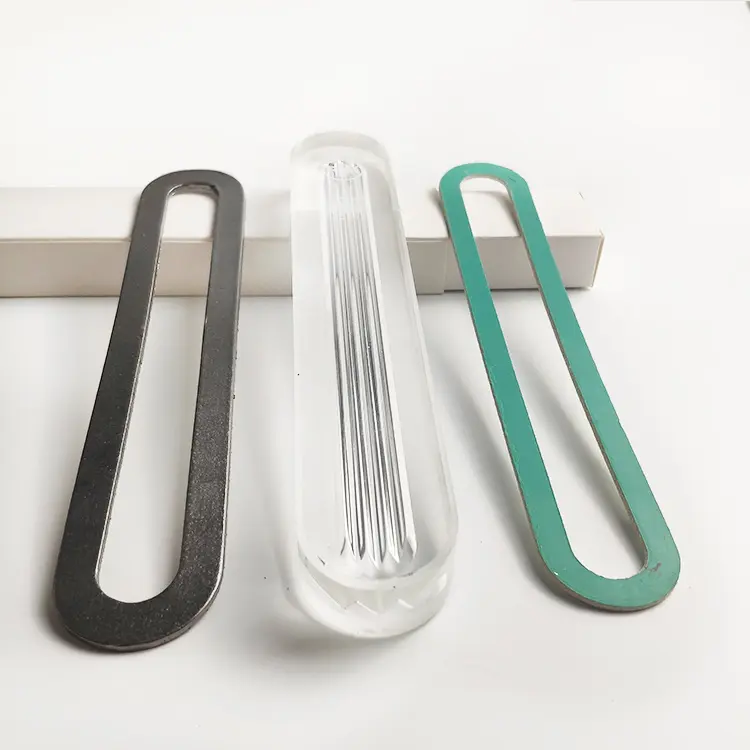
A reflex level gauge measures liquid levels at set intervals. It measures the liquid level by checking how light reflects off the surface. This method provides high precision and stability. Here are the three simplest steps for using a reflective liquid level gauge:
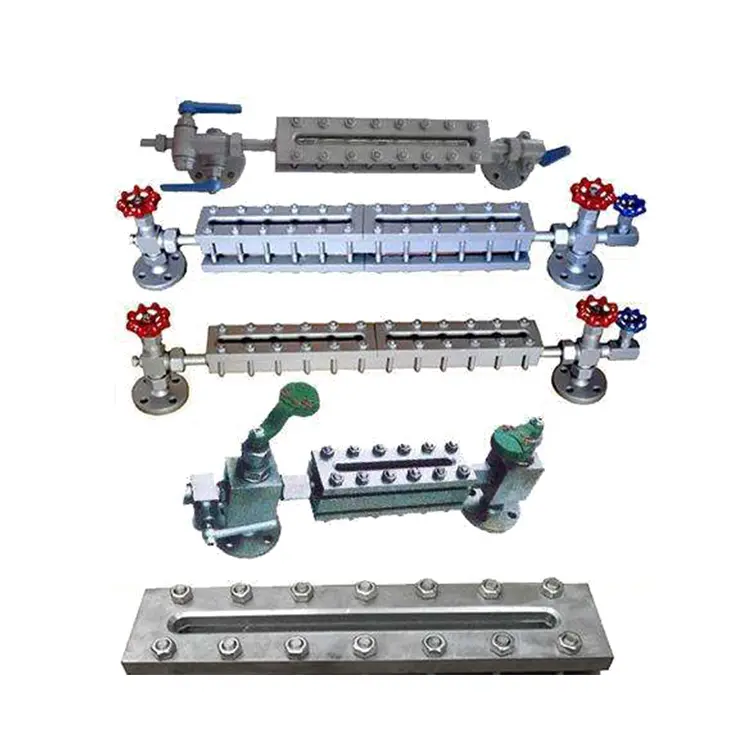 Installation of Reflective Liquid Level Gauge
It is necessary to install the reflective liquid level gauge in the correct manner. Pick the right spot for the liquid level gauge. Make sure it’s the right distance from the liquid container for accurate readings. Ensure the installation area is stable. This helps avoid vibration and interference. A stable environment ensures accurate measurement results.
Calibrating the Level Gauge
After installation, the next step is to calibrate the level gauge. Calibration is a crucial step to ensure measurement accuracy. This process compares the level gauge to a known liquid level. Then, adjust the gauge settings so its readings match the standard. This method ensures the level gauge shows the true liquid level.
Reading Liquid Level Data
The final step is to read the liquid level data. After calibration, the reflective liquid level gauge displays the liquid level with precision. Users can check the liquid level gauge or reading device to see the current liquid level.
Mastering the use of reflective liquid level gauges is not complicated. Users can get accurate liquid level data in three easy steps: install, calibrate, and read. This is very important for monitoring liquid levels in factories and everyday life.