Overview: Quartz vs Borosilicate Glass
Quartz glass and borosilicate glass are two different types of glass. They have unique properties and uses. Knowing the differences helps you pick the right material for industrial or scientific use.
 Composition and High-Temperature Performance of Quartz Glass
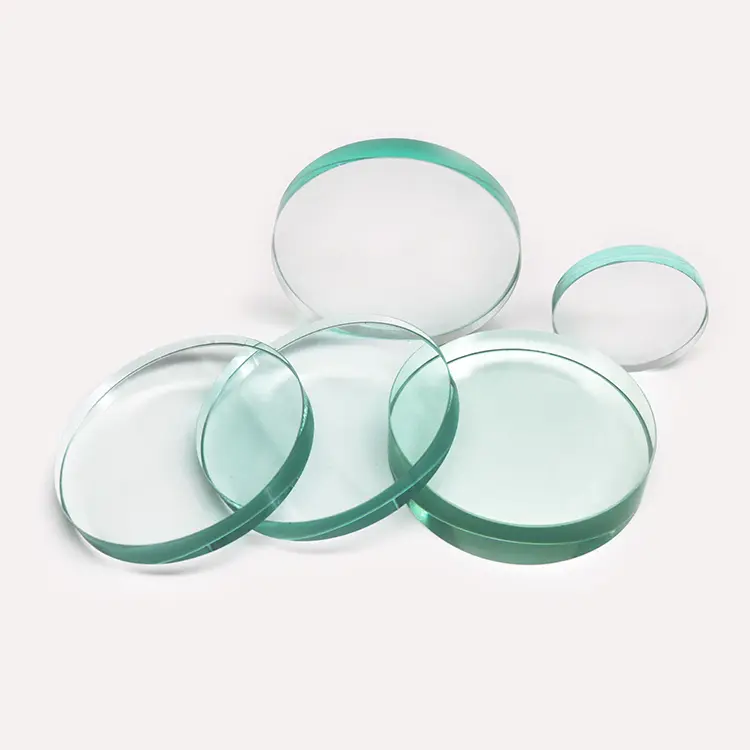
Quartz glass, or fused silica, is mainly made of silicon dioxide (SiO2). This unique composition endows it with exceptional physical and chemical properties. Quartz glass softens around 1730°C. It can handle temperatures up to 1450°C briefly. It remains stable at high temperatures and shows great corrosion resistance. However, it does not perform well against hydrofluoric acid.
Thermal Stability and Optical Properties
Quartz glass is also known for its thermal stability. It has a very low coefficient of thermal expansion. This allows it to endure large temperature changes without cracking. Its optical transmittance is excellent. Visible light transmittance is over 93%. This makes it great for optical instruments.
Electrical Insulation (Quartz) & Composition of Borosilicate Glass
Furthermore, quartz glass possesses excellent electrical insulation properties even at elevated temperatures. Manufacturers make borosilicate glass, commonly called Pyrex or Ziesel glass. They use silica (SiO2), boron oxide (B2O3), and sodium oxide (Na2O) in the process. This specific composition results in a material exhibiting unparalleled chemical and physical characteristics. Borosilicate glass is very resistant to corrosion. However, hydrofluoric acid, phosphoric acid, and hot caustic solutions can damage it. It has a low thermal expansion coefficient, much lower than that of other glasses and metals. This makes it perfect for situations with temperature changes. Borosilicate glass is clear and chemically stable. It doesn’t change the taste or smell of anything it touches.
Key Differences and Typical Applications
Quartz glass and borosilicate glass differ primarily in their chemical compositions and properties. Quartz glass has high purity and a high SiO2 content. This gives it excellent temperature resistance and clear optical properties. Borosilicate glass has boron oxide. This boosts its resistance to corrosion and makes it more versatile for many uses. Quartz glass is primarily used in high-temperature settings and in optical tools. It’s known for its great heat resistance and excellent light transmission. Borosilicate glass has extensive applications in the chemical, food, and pharmaceutical industries. This is due to its chemical inertness, smooth surface, and transparency.
Conclusion: Choosing the Right Glass
In conclusion, quartz glass and borosilicate glass have great traits. Still, their different makeups lead to specific uses. Quartz glass works well for optical uses and high temperatures. Borosilicate glass is versatile. It suits many industries needing chemical resistance and thermal stability. Knowing these differences helps you choose the right glass for your needs.