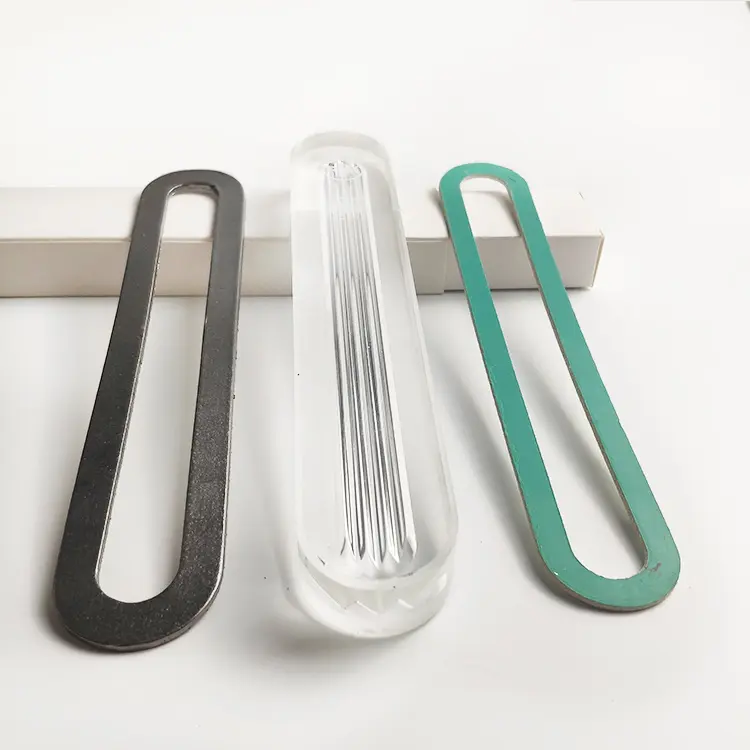
The glass fluid level gauge is a kind of liquid level gauge with a simple structure and a long history. It’s an instrument based on a glass tube level gauge. It’s more resistant to high temperatures and high pressure.
It mainly has the following parts:
-
Main body
-
Gland
-
Upper cork valve
-
Lower cork valve
-
Glass
-
Connecting flange
-
Fastening thread
-
Sealing gasket
-
Safety steel ball
-
Other components
The glass fluid level gauge is easy to install and maintain. It has a simple structure, prevents blockage, and avoids leaks. Its sewage performance is excellent. Because of these features, it’s used in many industries.
1. Working principle of a glass fluid level gauge:
The glass fluid level gauge shows the liquid level directly. It works for both sealed pressure containers and open containers. It works in the same way as the glass tube liquid level gauge. The connecting flange links to the container, making it a communication device. You can easily see the liquid level in the container through the glass.
The manufacturer equips the needle valves with safety steel balls. When the glass breaks, the steel balls will close the liquid channel. This happens due to the liquid pressure inside the container. It stops the liquid from leaking out. You can get anti-corrosion, heat preservation, anti-freezing, and lighting functions by changing materials or adding new parts.
2. Types of glass fluid-level gauge:
Glass fluid level gauges mainly include the following two types:
light-transmitting glass fluid level gauges
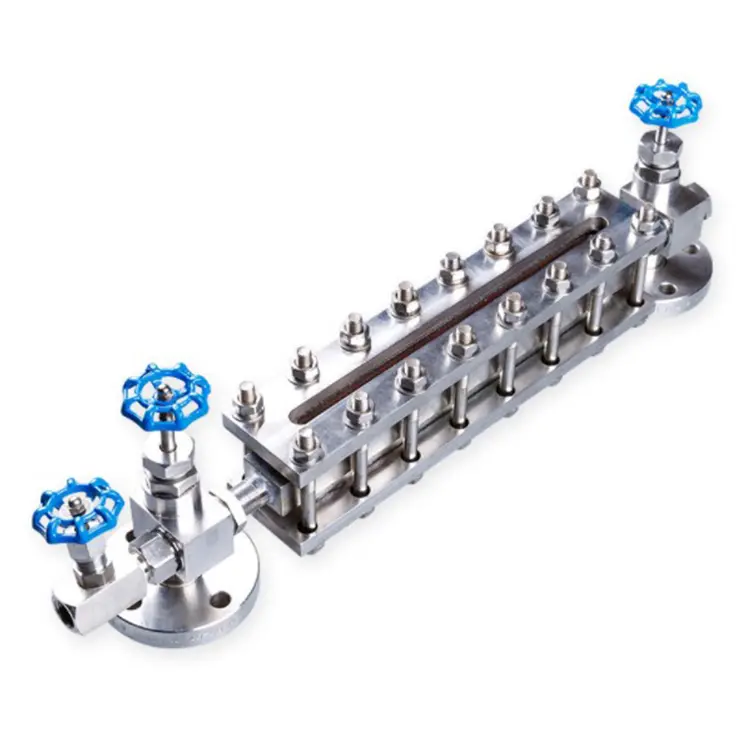
reflective glass fluid level gauges
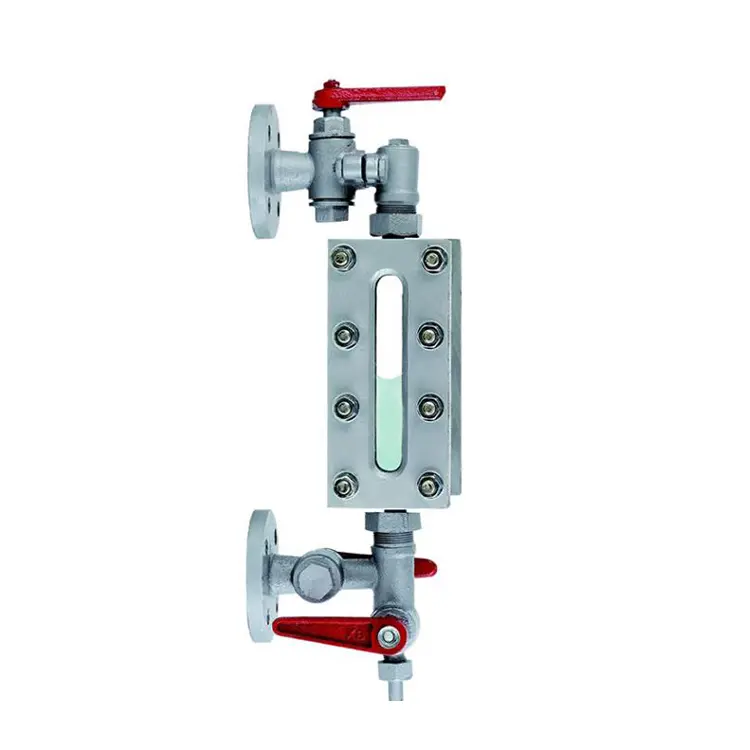
The light-transmitting glass fluid level gauge is a new type of gauge. It combines the best features of glass tube, quartz tube, plate, and boiler water level gauges. It can replace high-temperature glass plate level gauges and high-pressure magnetic flap level gauges. It also works for gauges made for low specific gravity.
3. Precautions for the installation and use of a glass fluid level gauge:
1. If the temperature exceeds 200 °C, lower the operating pressure when using the glass fluid level gauge.
2. To prevent the glass from breaking during assembly, tighten the bolts in order. Start in the middle of the instruments. Then, cross-tighten outwards one at a time. Make sure the force is even. It’s best to use a torque wrench for tightening.
3. Check if the fastening bolts are loose when the glass fluid level gauge arrives at the construction site.
4. During use, you need to open the upper valve slowly. If it is cold weather or the temperature of the liquid is high, it is best to preheat and then slowly open the lower valve.
If you have any questions about the glass fluid level gauge, you can contact us. We have 20+ years of experience in producing and exporting glass fluid level gauges, you can trust us.