Overview: Why Quartz Glass Matters
As society grows and technology improves, more types of glass are available. Users want better performance. Quartz glass, or fused silica, is a high-quality material designed for modern industrial and scientific needs. Quartz glass stands out from regular commercial glasses. It combines unique thermal, optical, chemical, and electrical properties. Knowing these differences helps engineers and buyers pick the right materials.
This is important for uses such as:
-
High-temperature sight windows
-
Optical parts
-
Semiconductor processing
-
High-power lighting
 Chemical Composition Differences
Quartz glass and ordinary glass differ primarily in chemistry. Quartz glass is almost pure silicon dioxide (SiO₂). It’s made by fusing ordinary commercial glasses, like soda-lime or borosilicate. These glasses include extra oxides, such as sodium, calcium, or boron. These oxides change how the glass melts, expands with heat, and reacts chemically. Quartz has a high SiO₂ content. This creates a simpler, more stable atomic network. Quartz offers several benefits, including thermal stability, clear optics, and chemical inertness.
Superior Transparency
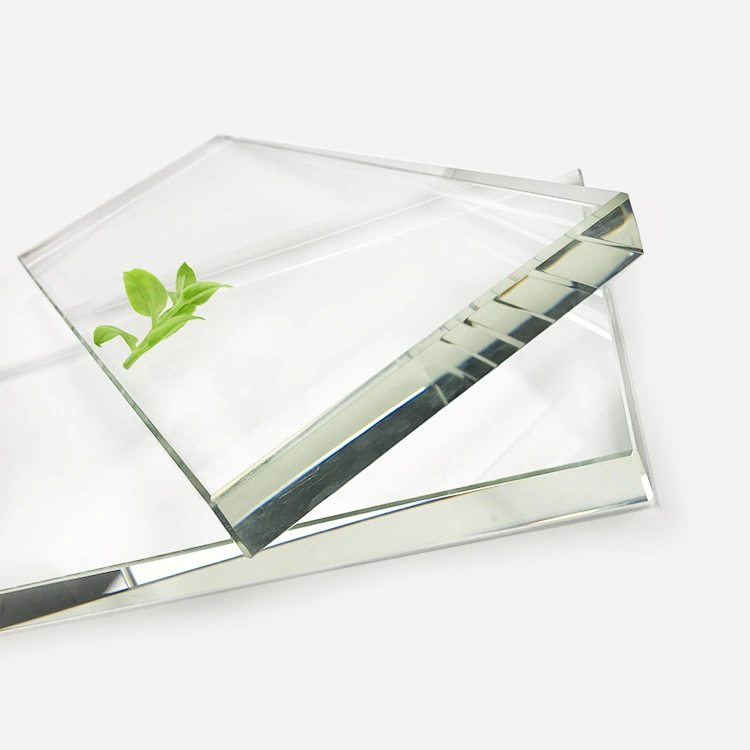
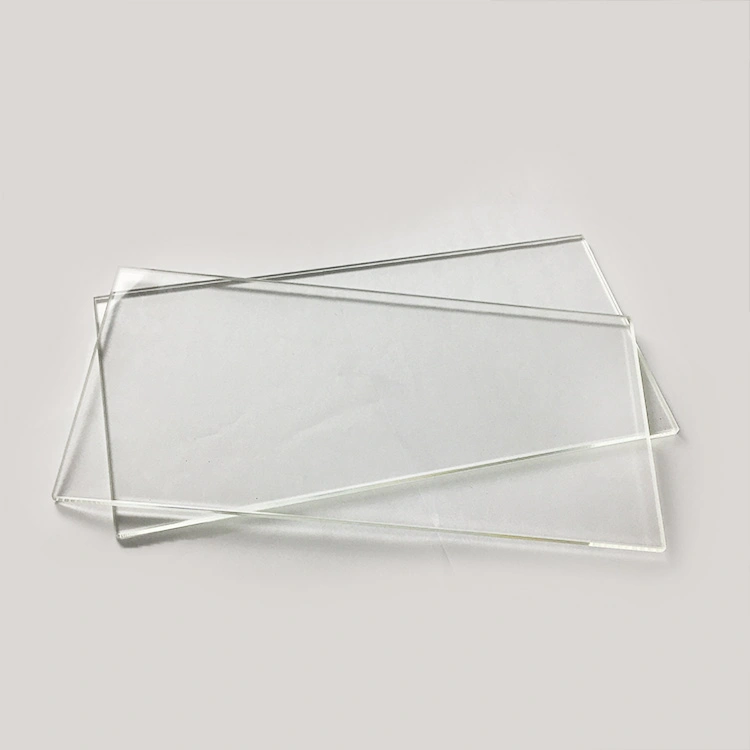
One immediate, practical difference is visual clarity. Quartz glass usually has excellent optical clarity, minimal internal scattering, and low color. This great transparency makes it a top choice for uncolored, high-quality optical transmission. It’s ideal for UV optics, spectroscopy windows, and lens blanks. Quartz has lower impurity levels and fewer defects than common glass. This means it absorbs and scatters less light across many wavelengths. It boosts signal throughput and improves measurement accuracy in optical systems.
Optical Properties and Light Transmission
Quartz glass lets light pass through very well. It works in visible, ultraviolet, and near-infrared wavelengths. Visible light transmission often goes over 90%. Fused silica has high transmission, low dispersion, and excellent homogeneity.
These qualities make it perfect for:
-
Precision optics
-
Laser tubing
-
Spectrometer windows
-
UV lamp envelopes
Thinner, lighter parts can match the optical performance of thicker pieces made from lower-grade glass. This is a big win for instrument designers.
High-Temperature Resistance
Quartz glass stands out for high-temperature performance. Its network structure and high melting points keep its mechanical and optical properties strong. This happens even at temperatures that can harm regular glass.
Quartz is often used for:
-
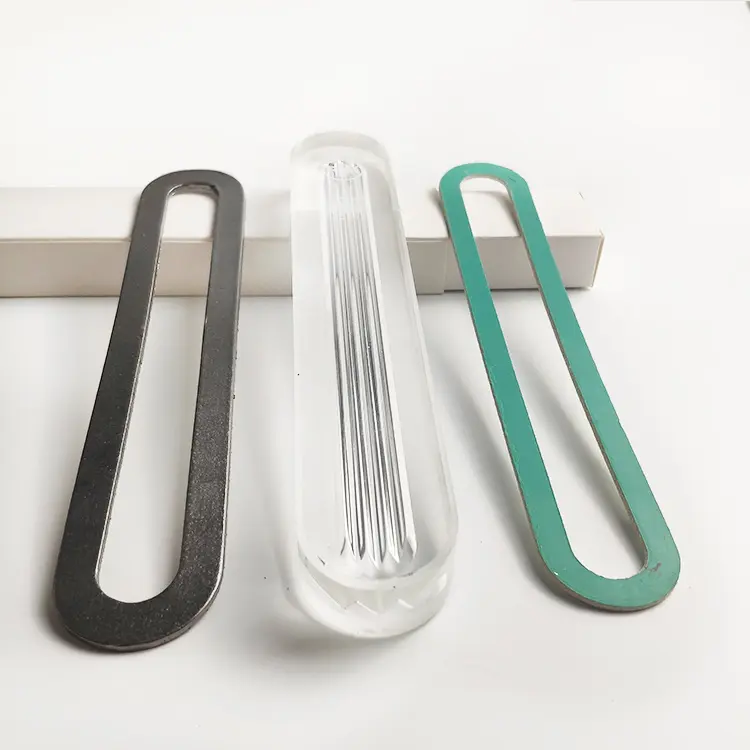
Furnace sight windows
-
High-temperature process windows
-
Heating element enclosures
Designers can use quartz components in high-temperature settings. These environments often exceed the limits of soda-lime and standard borosilicate glass. Quartz won’t devitrify or soften under these conditions.
 Thermal Stability and Long-Term Performance
This thermal stability means a longer service life in cycling or transient heat uses. These include thermal processing, semiconductor furnaces, and high-power lamp housings. Engineers often pick quartz for parts because it remains stable when temperatures change.
Excellent chemical resistance
Quartz glass is tough. It resists most acids and alkalis well. Also, it remains inert in many harsh chemical processes. The main exception is hydrofluoric acid (HF). It reacts with silica. So, we should avoid HF or handle it using special protective steps. Always state interaction limits, such as concentration and temperature, in technical data sheets.
Chemical Stability and Acid Resistance (Practical Handling)
Quartz resists most chemicals, but users must follow handling rules. Avoid HF exposure and abrasive cleaning that scratches the surface. Microscratches increase light scatter. Also, use compatible sealants and gaskets. For cleaning, use neutral detergents, deionized water, and alcohol. Avoid harsh mechanical or chemical treatments, as they can reduce optical life. These operational details matter for procurement and maintenance planning in industrial installations.
Superior Insulation Properties
Quartz glass offers excellent electrical insulation and high dielectric strength, even when temperatures rise. It’s great for insulating windows or for use in high-voltage and high-temperature equipment. Designers of RF, high-voltage, or high-temperature electronic modules value quartz. It offers both electrical insulation and optical access. This unique combination is rare in other materials.
Common Applications and Product Availability
Many areas use quartz glass due to its unique properties. It’s found in:
-
Semiconductor manufacturing (like furnace tubes, crucibles, and process windows)
-
Precision optics (including lenses, prisms, and windows for UV/IR instruments)
-
High-temperature furnace sight glasses
-
High-intensity lamp envelopes.
Borosilicate and soda-lime glass are good choices for labware. They are also cost-effective for low-temperature sight windows and food-grade uses. When choosing material, ask suppliers for datasheets. Look for optical transmission curves, annealing points, chemical compatibility charts, and cleaning guidelines. This information helps ensure the glass fits your process needs.