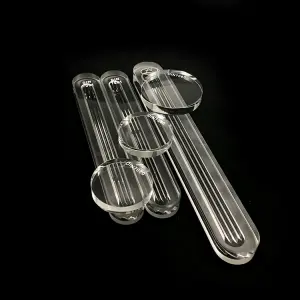
Level Gauge Glasses

Level Gauge Glass

Level Gauge Glass for Reflex, Transparent, DIN Standard, and Boiler Service

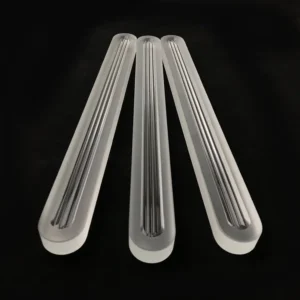
Level gauge glass is the long strip glass used in industrial level gauges to display liquid level clearly and safely.

Choose the right gauge glass type to match the working temperature, pressure, media, and installation style of your vessel, boiler, or process equipment.

Typical Level Gauge Glass Use
Vessel / Boiler Level Gauge Glass Reading / Inspection
Level Gauge Glass Types Overview

Choose the Right Long Strip Glass Type for Your Application

The main buyer decision is usually based on how the liquid level must be read, how hot the service is, and whether the medium is steam, water, chemical liquid, or a general process fluid. The four categories below cover the most common long strip glass options used in industrial level gauges.

Reflex Gauge Glass

Reflex gauge glass is designed with reflective grooves that change the way light behaves across the glass plate. In use, the liquid phase appears as a dark column while the gas or steam phase appears silvery, which makes the level easy to identify at a glance. This type is widely used for clear liquids and direct reading in industrial level gauges. Buyers often search for reflex sight glass plate, reflex gauge glass plate, and DIN 7081 reflex glass when they need a reliable strip glass for standard gauge assemblies.

Learn more →

Transparent Gauge Glass

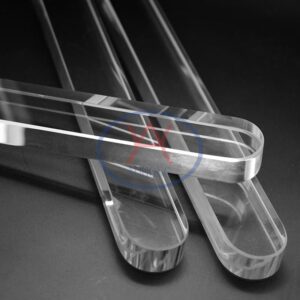
Transparent gauge glass is used when the operator needs to see the liquid level directly or read the meniscus from the back side of the gauge. It is commonly chosen for applications that need a more universal visual reading method than reflex glass, especially when the media condition or installation requires a clear-through sight window. Search terms often include transparent gauge glass, transparent sight glass plate, and clear level gauge glass. This type is typically selected for process equipment that requires visibility, straightforward maintenance, and compatibility with mica design when steam service is involved.

Learn more →

DIN Standard Gauge Glass

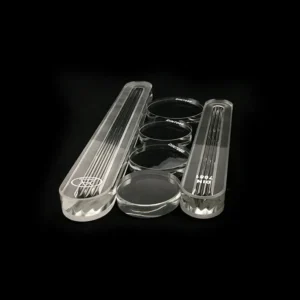
DIN standard gauge glass refers to the standard long strip glass plate used in DIN 7081 level gauge assemblies. It is the most common reference point for buyers who need standard dimensions, standard installation matching, and predictable replacement. Typical DIN 7081 plate size data includes a width of 34 mm and a thickness of 17 mm, with standard lengths used across multiple gauge sizes. Buyers often search for DIN standard sight glass, DIN 7081 gauge glass, and standard level gauge glass when they want a direct replacement that fits a known gauge body.

Learn more →

Boiler Gauge Glass

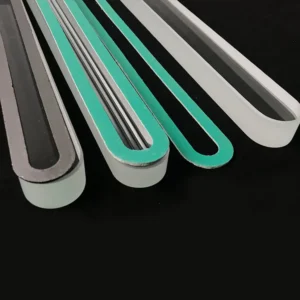
Boiler gauge glass is used in steam and hot-water service where the level gauge must handle elevated temperature and demanding operating conditions. For boiler applications, transparent borosilicate glass with mica design is commonly used to reduce chemical attack and improve service life in hot water and steam environments. In boiler service, unprotected glass can suffer erosion when high temperature and water treatment additives are present, so the right material and design choice is critical. Buyers commonly search for boiler gauge glass, boiler sight glass plate, and steam level gauge glass when sourcing this category.

Learn more →
Material Comparison

Level Gauge Glass Materials Comparison

Use this table to compare temperature resistance, pressure behavior, chemical resistance, common applications, and practical pros and cons before choosing a long strip glass type.

Type Typical Temperature Pressure / Service Behavior Chemical Resistance Common Applications Pros Limitations
Reflex Gauge Glass Standard industrial level-gauge service; steam service typically up to 243°C, with mica design up to 300°C Used in pressure-rated level gauges; complete gauge systems can be specified up to vacuum to 250 bar depending on design Good for many industrial liquids; suitable for clear liquids Clear liquid level indication in tanks, vessels, and process equipment Easy-to-read dark/silvery level contrast, simple visual interpretation Not the best choice when transparent viewing or meniscus reading is preferred
Transparent Gauge Glass Steam service typically up to 243°C without mica design; with mica design up to 300°C Used in pressure-rated glass level gauges; system pressure depends on body design and connection type Good chemical durability in borosilicate versions General level indication, steam service, hot water, process liquids Direct meniscus reading, versatile, suitable with mica design Needs proper lighting and correct installation for best readability
DIN Standard Gauge Glass DIN 7081 strip glass is used in standard long-strip gauge assemblies Designed for standard replacement and known gauge-body matching Depends on material choice; borosilicate is the common option Standard replacement gauges, OEM assemblies, industrial maintenance Standard dimensions, easy to source, repeatable fit Must match the gauge body dimensions exactly
Boiler Gauge Glass Steam service up to 243°C; with mica design up to 300°C; for other media, temperatures to 300°C are possible and special cases to 374°C Boiler systems may require higher safety margins, and unprotected glass in aqueous boiler service can erode faster under high pH and additives Improved protection when mica design is used Boilers, steam lines, hot-water level gauges, heat-transfer systems Better suited to hot and demanding service, higher safety focus Requires careful material selection and correct mica configuration
Selection Guide

How to Choose the Right Level Gauge Glass

The correct choice depends on the media, temperature, pressure, and whether the application is a standard liquid level gauge or a boiler steam service. Use the guide below to narrow the product family before sending a quotation request.

1

Identify the service condition

Confirm whether the medium is water, steam, a chemical liquid, or another process fluid. Boiler service and high-temperature steam usually need transparent gauge glass with mica design rather than a basic strip glass.

2

Choose reflex or transparent viewing

Use reflex gauge glass when you want a strong dark-versus-silvery level contrast for clear liquids. Use transparent gauge glass when you need direct meniscus reading or through-view observation.

3

Check standard dimensions

For DIN standard gauge glass, confirm the strip width, thickness, and standard length. DIN 7081 glass plates are commonly referenced with a width of 34 mm and thickness of 17 mm.

4

Match the assembly

Confirm the gauge body, gasket faces, segment length, and center-to-center distance. A correct fit is essential for sealing, visibility, and service life.

5

Specify the operating limits

Tell us the working temperature, pressure, media type, and whether mica design, heating, or insulation is required. This helps identify the proper strip glass and the matching gauge structure.

Need help choosing between reflex gauge glass and transparent gauge glass?

Reflex gauge glass is usually better for quick clear-liquid level reading. Transparent gauge glass is usually better when you need a direct view of the liquid or steam-water interface.

Contact Technical Team
Standards, Certification, and HS Code

Industry Standards and Common HS Code

Buyers often ask about standards, inspection documents, and tariff classification before placing an order. This section gives a practical procurement summary for long strip gauge glass.

DIN 7081

The core standard for reflex and transparent strip glasses used in level gauge assemblies. DIN 7081 glasses are commonly specified as borosilicate plates for industrial level indication.

Reflex and Transparent Service

Reflex glasses work on reflection and refraction to show a dark liquid column and a silvery gas column. Transparent glasses allow direct viewing of the meniscus or the liquid itself.

Boiler / Steam Service

For boiler systems with aqueous media, mica design is used to help protect the glass at elevated temperature. This is especially important where high pH and water-treatment additives increase erosion risk.

Certificates and Documents

Typical buyer-requested documents include inspection reports, dimensional reports, material certificates, and certificate of conformity. Quality documentation is commonly supplied with industrial glass orders.

Common HS Code

A common classification reference for level gauge glass is HS 7020, “Other articles of glass.” Final tariff classification may vary by country and by the exact construction of the item, so confirm with your customs broker or local import authority before shipment.

FAQ

Frequently Asked Questions About Level Gauge Glass

What is level gauge glass used for?
Level gauge glass is used to visually monitor liquid level in tanks, vessels, boilers, and process equipment.
What is the difference between reflex gauge glass and transparent gauge glass?
Reflex gauge glass uses a reflective groove pattern to show a dark liquid column and a silvery gas column, while transparent gauge glass allows direct viewing of the meniscus or the liquid itself.
What does DIN standard gauge glass mean?
DIN standard gauge glass usually refers to strip glass plates made to DIN 7081 dimensions for standard level gauge assemblies.
What is the maximum temperature for boiler gauge glass?
For steam service, transparent or reflex glass can be used to 243°C, and with mica design to 300°C. For other media, temperatures to 300°C are possible, and special cases can reach 374°C.
What information do you need for a quote?
Please send the product type, shape, size, thickness, material, working temperature, working pressure, medium, quantity, and a drawing or sample if available.
Can you make custom level gauge glass according to drawing?
Yes. Custom level gauge glass can be produced according to drawing, sample, or technical specification, including special length, width, thickness, and edge requirements.
How do I install a strip gauge glass correctly?
Confirm the gauge body, gasket position, plate orientation, and pressure direction. The glass must match the housing and installation instructions must be followed carefully.
What is the HS code for level gauge glass?
A common classification reference is HS 7020, but the final code depends on the exact product structure and your destination country.

Download Full Level Gauge Glass Catalogue

Get the complete product overview, size reference, material options, and application guidance in one file.

Request a Quote

Send your drawing, size, material, temperature, pressure, and quantity. We will review the requirement and reply with a technical quotation.

  • Reflex gauge glass
  • Transparent gauge glass
  • DIN standard gauge glass
  • Boiler gauge glass
  • Custom level gauge glass

Contact Technical Team

Need help choosing the correct long strip glass for steam, water, chemical liquid, or standard process service? Contact the technical team for fast product matching.

Contact Technical Team

Office Phone

Mon-Fri: 9AM-6:30PM (GMT)
+86 (318)5261 900

Jessica Lee

24/7 Emergency Support
+86 153 7318 1024

WhatsApp

Start Chat Now WhatsApp QR Code

Email Support

info@hsahglass.com
Response within 24 hours
Scroll to Top