Introduction
Water gauge glass, also referred to as water level gauge glass or liquid level gauge glass, is a transparent observation window installed on water level indicators or liquid level gauges. Its primary function is to allow direct visual monitoring of water or oil levels in pressure vessels. This product is widely employed in boilers, pressure vessels, pipelines, and other equipment across industries such as power generation, petroleum, chemical processing, pharmaceuticals, and scientific research.
Types and Classification
Water gauge glass is manufactured from alkali-free aluminosilicate tempered glass and is categorized into three main types:
-
Grooved gauge glass (single-groove): Features a single prismatic groove on the sealing side to enhance visibility through light refraction.
-
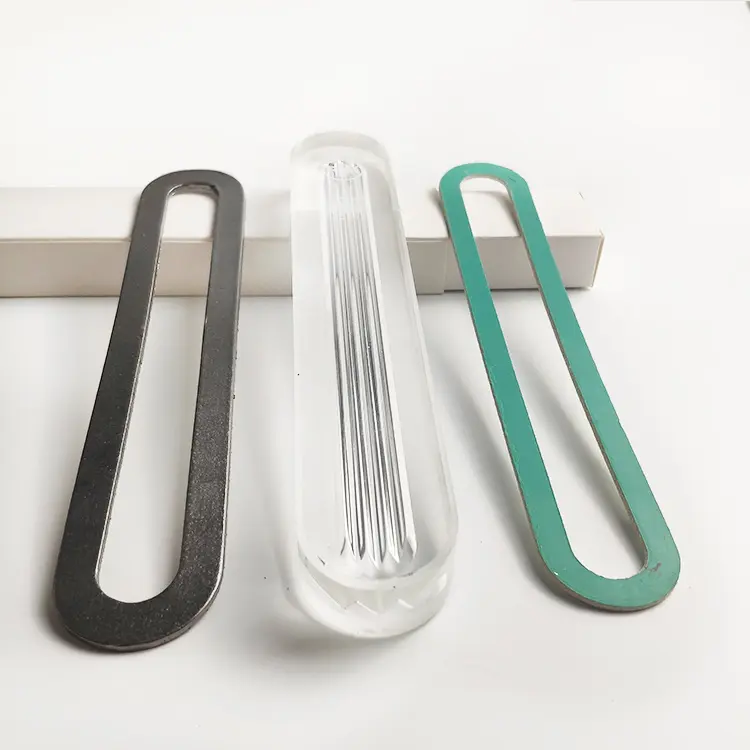
Grooved gauge glass (multi-groove): Incorporates multiple parallel grooves on the back (sealing surface), providing a smooth viewing face and excellent indication contrast.
-
Flat polished gauge glass: Polished on both sides, offering a flat, smooth observation surface and a smooth sealing surface, suitable for applications requiring high optical clarity.
Common configurations include round sight glasses and flat transparent gauge plates, available in sizes ranging from very small diameters (5 mm) up to lengths of 550 mm for plate types and diameters up to 1000 mm for round windows.
Performance Characteristics
The material is an alkali-free aluminosilicate tempered glass, characterized by high silica and alumina content and the absence of alkaline oxides. This composition imparts a unique combination of high-temperature resistance and high-pressure capability, along with excellent mechanical shock resistance, vibration resistance, and good resistance to acid and alkali corrosion.
-
 Thermal stability (service temperature): 280 °C to 1200 °C, depending on the specific material grade.
 -
Pressure resistance: 1–20 MPa (approx. 10–200 bar), depending on material grade and glass thickness.
-
Color: Light amber or water-white (transparent).
-
Chemical durability (per ISO 695 / DIN 12116):
-
Water resistance: < 0.5 mg/dm²
-
Acid resistance: < 0.5 mg/dm²
-
Alkali resistance: < 80 mg/dm²
-
-
Key physical properties:
-
Flexural strength: 200–210 MPa
-
Thermal shock resistance: > 300 °C
-
Softening point: > 900 °C
-
Coefficient of thermal expansion: (42–46) × 10⁻⁷ /°C
-
Manufacturing Method
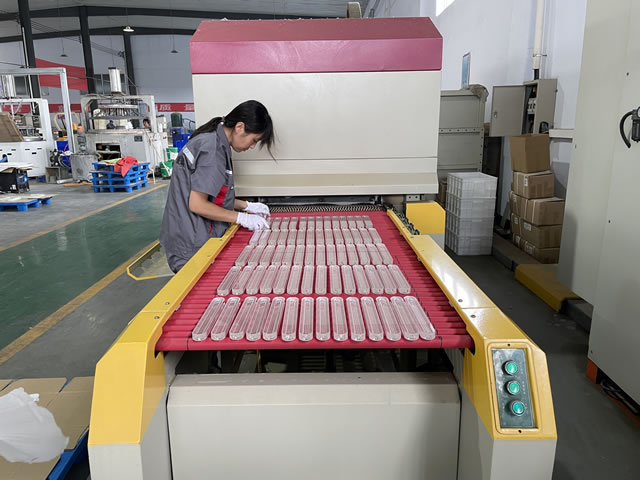
Water gauge glass is typically produced by tempering precision-cut alkali-free aluminosilicate glass. The high silicon-aluminum content, free from alkali metal oxides, enables the glass to simultaneously withstand extreme temperatures and pressures. The tempering process induces compressive surface stresses, significantly enhancing impact and bending strength.
Applications
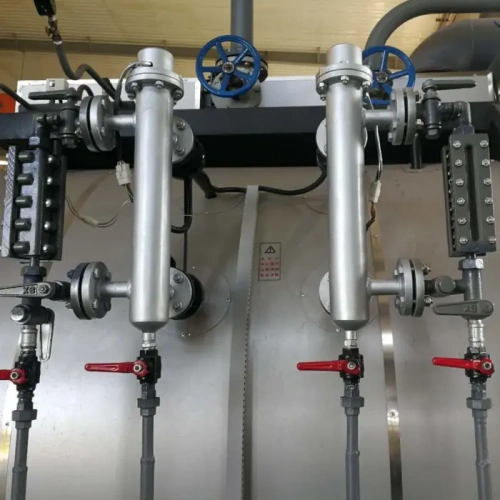
The primary application is in boiler water level indicators (boiler gauge glass plates) for high-temperature and high-pressure vessels. It is also extensively used as observation windows for high-pressure containers, pipelines, process equipment, and instrumentation. Key industries served include electric power generation, oil and gas, chemical processing, pharmaceuticals, and scientific laboratory equipment.
Storage and Transport
The glass may be transported by any means; however, dropping, throwing, or rough handling must be avoided during loading and unloading. Transport arrangements should include protection against rain and snow. Packed products must be stored indoors, strictly protected from contact with strong alkalis and fluoride compounds.
Relevant Regulations and Standards
Internationally recognized regulations and standards governing the design, material selection, and application of water gauge glasses include:
-
ASME BPVC Section I (Rules for Construction of Power Boilers) – PG-60, requirements for water level indicators.
-
ASME B31.1 (Power Piping) – Specifications for gauge glass assemblies in high-energy piping.
-
BS 3463 – Specification for glass for water gauges on boilers and similar applications.
-
DIN 7081 – Pressure-resistant sight glasses for liquid level indicators without protective covers.
-
DIN 7080 – Borosilicate sight glasses for pressure applications (reference standard for material).
-
JIS B 8211 – Boiler water gauge glass.
-
MIL-G-18496B – Glass, gage, boiler water (applicable to naval and high-reliability installations).
These standards specify critical parameters such as material composition, thermal and mechanical stress limits, dimensional tolerances, and mandatory quality testing protocols to ensure safe operation.
Significant Incidents
-
Domestic Incident (China, 2016): At a chemical fertilizer plant, a water gauge glass on a high-pressure hot water vessel fractured unexpectedly during start-up. The failure resulted in a sudden release of scalding water and steam, causing severe burn injuries to two operators. The subsequent investigation revealed that the glass had exceeded its recommended service life and had accumulated surface damage, drastically reducing its pressure-withstanding capability.
-
International Incident (Europe, 2012): In an oil refinery, a level gauge glass on a hot oil separator catastrophically ruptured due to an incorrectly specified pressure rating and insufficient thermal shock tolerance. The resulting spray of high-temperature hydrocarbon liquid ignited on contact with a hot surface, causing a flash fire that led to significant equipment damage and an extended unit shutdown. The root cause was traced to the substitution of a non-compliant glass type that did not meet the required operational pressure/temperature envelope.