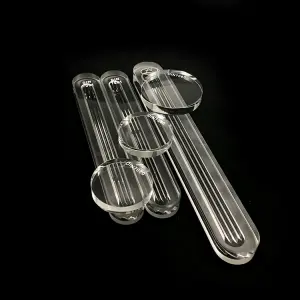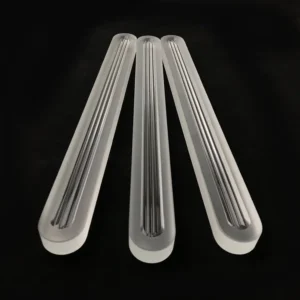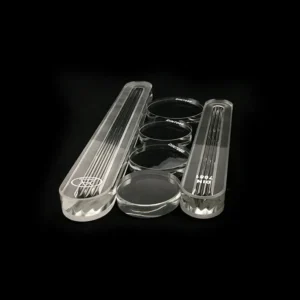
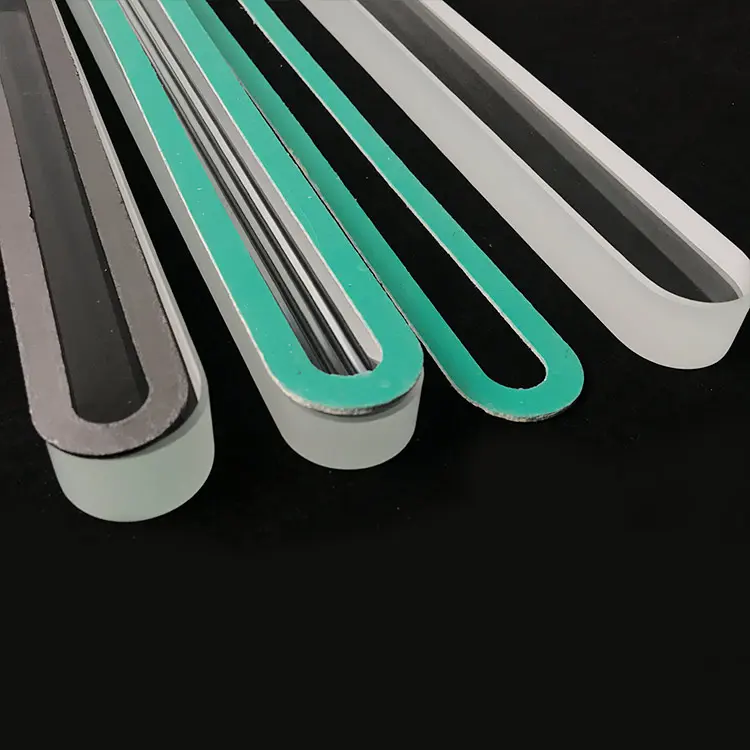
1. What is a liquid level sight glass?
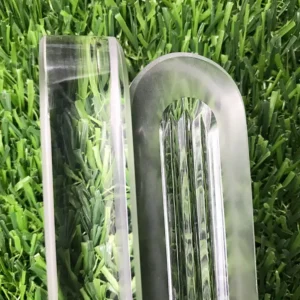
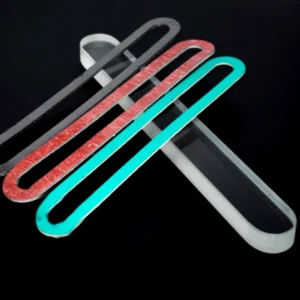
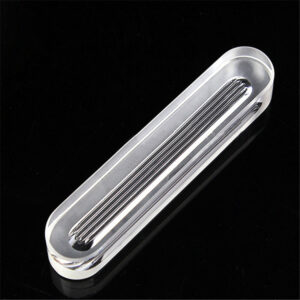
A liquid level sight glass, also known as gauge glass or boiler sight glass, shows liquid levels visually. It allows operators to see the fluid level inside a vessel. Good sight glass design focuses on two main things: visibility and readout accuracy. Visibility depends on the material and how clear it is. Readout accuracy relies on the type of structure. We provide industrial-grade borosilicate and soda-lime sight glasses. Engineers design them for process, boiler, and tank service.
2. Available types & typical uses
-
Tubular (straight) sight glass
-
Description: A circular tube links the top and bottom of the vessel. It’s simple and widely used.
-
Materials: soda-lime (low pressure), borosilicate (higher pressure/temperature).
-
Typical uses: low-pressure boilers, diesel tanks, firewater reservoirs, sight-only applications.
-
-
Reflex (reflective) sight glass
-
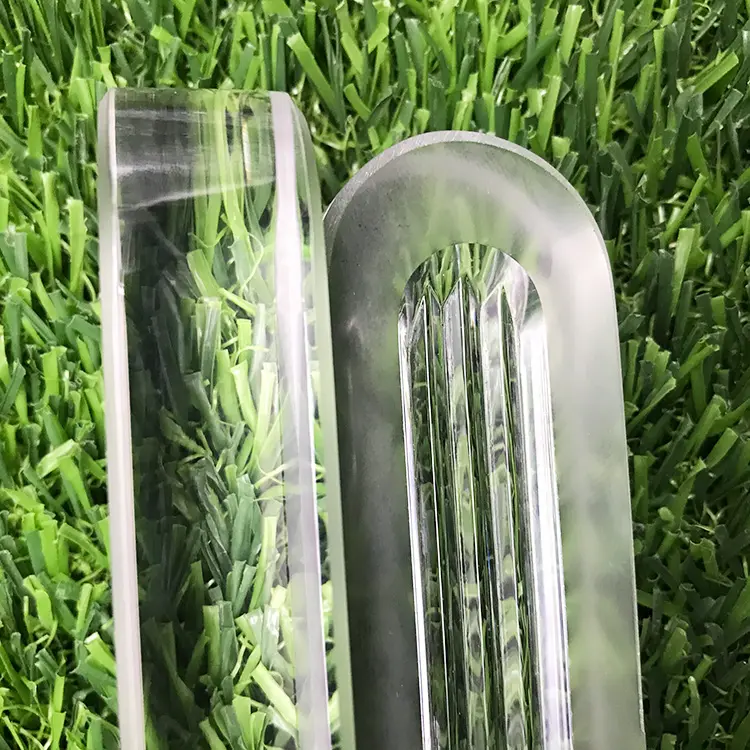
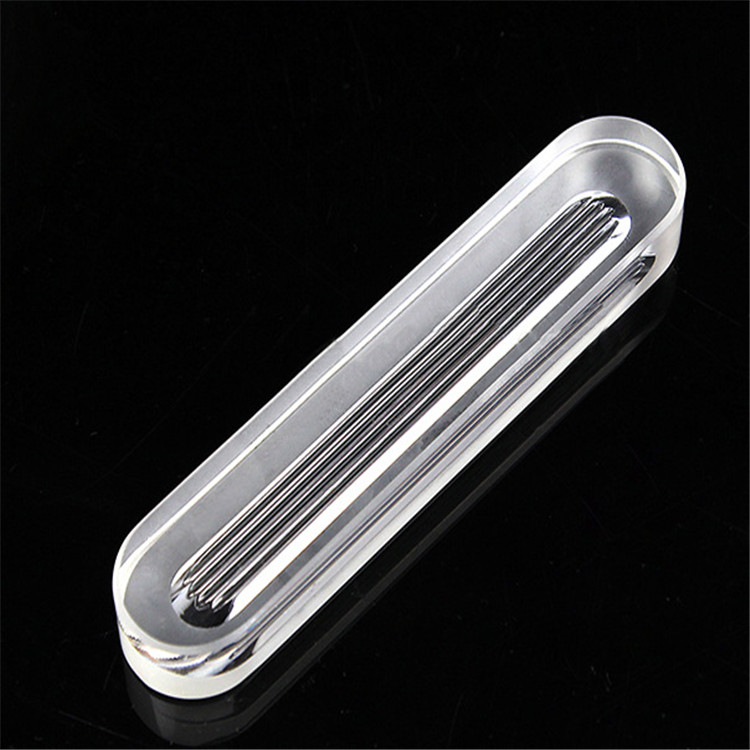
Description: Glass uses internal 60° V-grooves or a prism profile. Liquid looks dark, and vapor or steam looks bright. This creates a sharp contrast line.
-
Materials: borosilicate only.
-
Typical uses: medium-pressure boilers, black liquor, dark oils (where color contrast matters).
-
-
Transparent (flat-plate) sight glass
-
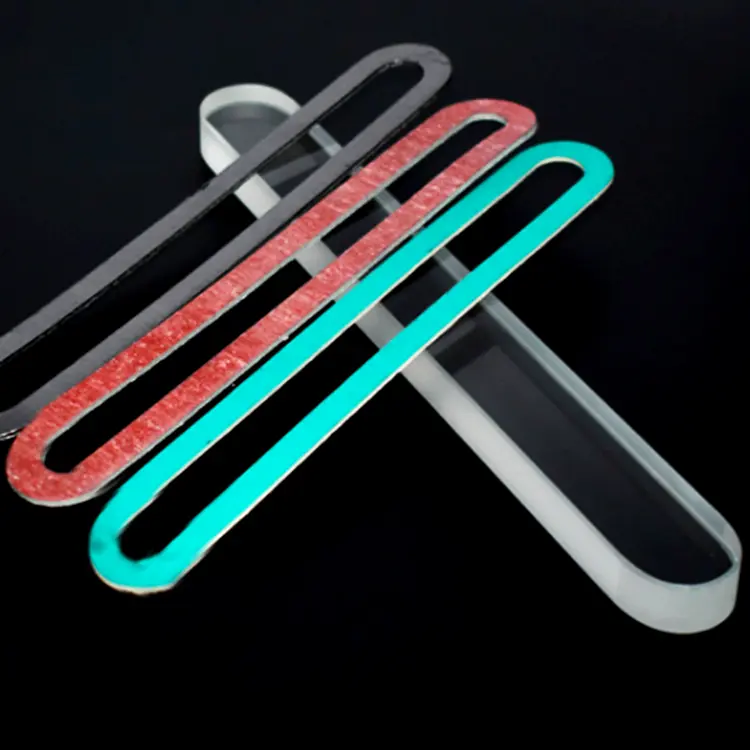
Two flat plates clamp tightly with a gasket. Mica is often used for protection. They are backlit to ensure precise readings and for camera transmission.
-
Materials: thick borosilicate, mica, or protective films.
-
Typical uses:
-
High-pressure boilers
-
High-temperature reactors
-
Applications needing mm-level readings.
-
Remote camera readouts
-
-
3. Materials & performance
-
Soda-lime glass:
-
Pressure ≤ 2.5 MPa
-
Cheap
-
Avoid high thermal shock.
-
Avoid low temperatures.
-
-
Borosilicate glass (e.g., borosilicate 3.3)
-
Pressure: ≤ 6.3 MPa
-
Thermal shock resistance: up to approximately 450 °C, depending on structure.
-
Best choice for reflexive/transparent types.
-
-
Low-temperature borosilicate — for ammonia and cryogenic service (safe to −60 °C).
-
Coatings / Treatments
-
PTFE coating provides resistance against HF and strong alkalis.
-
Mica sheets protect against alkalis in high-pH environments.
-
4. Typical dimensions & ratings
| Type | Typical sizes | Representative pressure rating | Typical temp range |
|---|---|---|---|
| Tubular | DN15–DN50; custom lengths | ≤2.5 MPa (soda-lime) / ≤6.3 MPa (boro) | −60 ℃ to 200 ℃ (depends on glass) |
| Reflex | 100×100 mm to 650×400 mm windows | ≤4.0 MPa (boro) | up to 450 ℃ |
| Transparent (flat) | up to 650×400 mm plates, thickness per ASME | ≥6.3 MPa (boro + mica) | up to 280–350 ℃ (assembly dependent) |
📥 Download Technical Datasheet (PDF)
5. Key selection checklist
-
Define service conditions:
-
Maximum pressure
-
Operating temperature
-
Fluid chemistry
-
Presence of vapor or foam
-
-
Choose type based on your needs:
-
Tubular is good for simple visual use.
-
Reflex offers a strong black and white contrast.
-
Transparent is best for high precision or camera feeds.
-
-
-
Use borosilicate for high temperature/pressure and tough media.
-
Choose soda-lime for low-risk, budget-friendly tasks.
-
-
Ask for test certificates: thermal shock, hydrostatic test, light transmission, and batch traceability.
-
Check installation needs:
-
Protective shields
-
Backlighting
-
Gland torque sequence
-
Spare mica or PTFE film.
-
6. Installation & maintenance best practices
-
Protective Shield: Always use a guard cage or metal shield for tubular glass. This helps prevent damage from forklifts or impacts.
-
Gasket and torque: use recommended composite or graphite gaskets. Follow the torque sequence and values. Overtightening can cause star cracks. Retorque fasteners after the initial heat cycle for transparent types.
-
Groove Cleaning for Reflex Glass:
-
Schedule routine cleaning, like a weekly 5% citric acid rinse.
-
This helps prevent scaling that can blur the black and white interface.
-
-
Cold weather: drain tubular gauges before freeze periods; use low-temp glass for ammonia.
-
Lighting for Remote Readout:
-
Use white incandescent or warm LED backlighting for better contrast on reflex glass.
-
Set up industrial cameras with AI OCR for remote monitoring.
-
7. Quality, testing & certifications
We can supply:
-
Material certificates (raw glass batch)
-
Hydrostatic and thermal shock test reports
-
Light transmission / clarity test (for tubular & transparent)
-
ISO 9001 factory quality assurance and per-batch QR code traceability
-
Compliance support: ASME/EN design references, FDA statements for food-contact components (where applicable).
8. Ordering options
-
Samples: standard tubular samples available; reflex grooves demo pieces.
-
MOQ: small runs for parts (negotiable for prototypes); OEM batches for standard sizes.
-
Lead time:
-
Stock tubular cut-to-order: same day.
-
Reflex groove turnaround: usually 24–48 hours.
-
Transparent plate machining (holes/rounded corners/PTFE): 3 days for urgent orders.
-
-
Packing: padded pallets, protective sleeves, clear labeling, and per-roll QR tracking for audits.
-
Support: installation drawings, torque specs, and on-site/remote commissioning support are available.
9. FAQs
-
Q: Can I use LED lighting for reflex glass? A: LED blue-rich light can lower contrast. So, use warm white LEDs or incandescent lamps for the clearest boundary.
-
Q: How to read a sight glass remotely? A: Use an external barcode/scale strip along with an industrial camera and AI reader. You can expect a typical accuracy of ±0.5 mm with good backlighting.
-
Q: What if glass is accidentally over-torqued? Stop installation and check for radial/star cracks. Replace the part if any micro-cracks are visible.
10. Suggested image alt texts
-
“Tubular liquid level sight glass on low pressure boiler”
-
“Reflex sight glass showing a sharp black-and-white level line.”
-
“Transparent flat-plate sight glass with mica protection for high pressure boiler”
-
“Close-up of borosilicate sight glass reflex V-groove.”
11. Why buy from us?
-
Industrial-grade materials & in-house machining for custom sizes.
-
Fast sample/urgent order turnaround to meet shutdown windows.
-
Batch traceability (QR per piece) and full test reports for audits.
-
OEM experience for global boiler makers, oil & gas, chemical, and power plants.
12. Get a quote / next steps
Please provide your basic service data:
-
Maximum working pressure
-
Operating temperature
-
Fluid type
-
Required visible length
-
Mounting flange size
We’ll send a recommended type, glass specs, and a quote (with test certificates) within 24 hours. For urgent site failures, ask for “priority.” We can ship a tubular replacement the same day if we have it in stock.