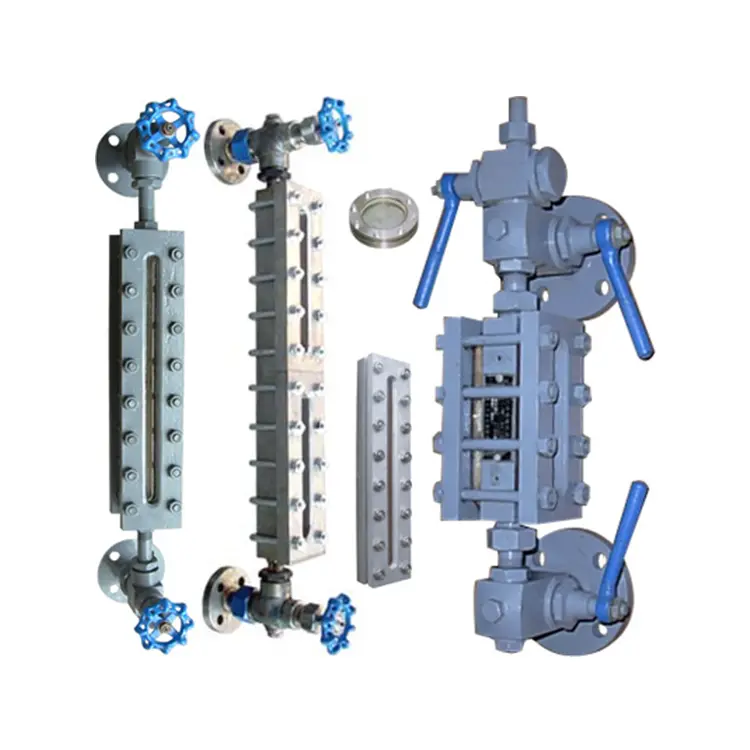
Type Level Gauge Sight Glass: A Vital Tool in Industrial Liquid Level Monitoring
In industrial operations, accurate liquid level monitoring is essential. It ensures smooth production, enhances safety, and prevents costly equipment failures. Among the many tools used for this purpose, the Type Level Gauge Sight Glass is one of the most reliable and easy-to-use options. This article explores how it works, the types available, and its various uses, demonstrating its importance across different industries.
Operational Principles and Mechanism
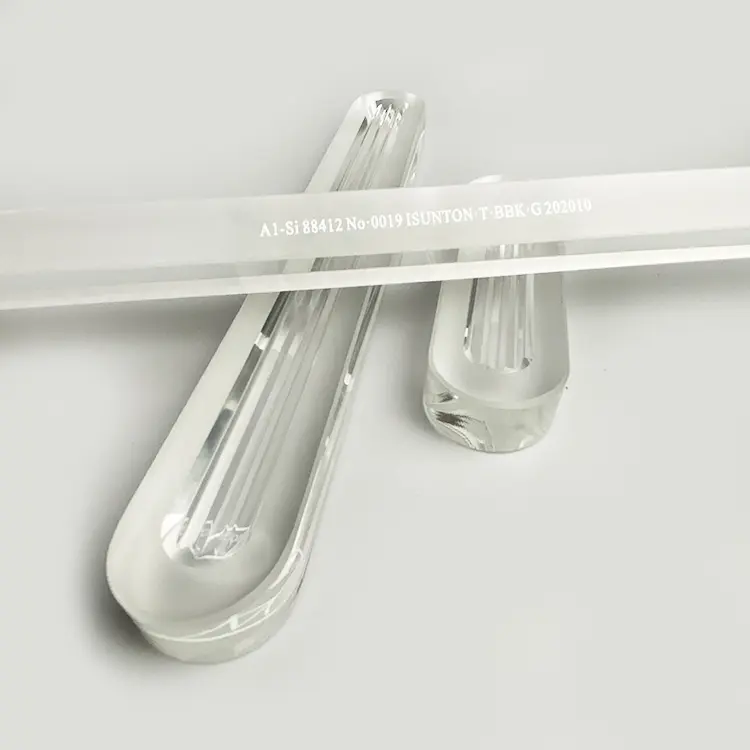
The Type Level Gauge Sight Glass operates on a simple but effective principle: visual inspection. It uses a clear glass tube or window built into tanks or piping to provide a direct view of the liquid inside. This allows operators to quickly and accurately assess the liquid level.
The design typically features a dual-chamber system, where one chamber holds a non-reactive, clear liquid or gas as a reference. This reference chamber reduces distortions caused by temperature fluctuations or pressure changes in the main liquid, ensuring more precise readings. Some models also include magnifying lenses or built-in lights to enhance visibility, particularly in low-light environments or high-pressure systems.
Types and Variations of Type Level Gauge Sight Glasses
Type Level Gauge Sight Glasses come in various forms to meet different industrial needs. They can be classified based on:
-
Mounting positions
-
Materials used
-
Additional features
Mounting Positions
Sight glasses can be installed horizontally or vertically, depending on the tank’s orientation and accessibility. Horizontal sight glasses are ideal for tanks that cannot be viewed vertically, while vertical sight glasses are more common in standard setups.
Material Composition
Sight glasses are typically made from glass or durable plastics such as acrylic. The material choice depends on the nature of the liquid being monitored. For high-heat applications, borosilicate glass is often preferred due to its excellent thermal shock resistance.
Reflex and Illuminated Models
-
Reflex sight glasses: These use mirrored surfaces to reflect light, improving contrast and making it easier to see liquid levels, even against similarly colored liquids.
-
Illuminated sight glasses: These models incorporate built-in lights, improving visibility in dark or low-light environments.
Pressure Ratings
Sight glasses are available in various pressure ratings. High-pressure models feature thicker walls and reinforced designs to withstand extreme conditions while maintaining safety.
Applications Across Industries
Type Level Gauge Sight Glasses play a crucial role in several industries due to their versatility:
Chemical Plants
In chemical plants handling hazardous substances, sight glasses allow safe level monitoring without direct contact with the chemicals.
Petroleum Refineries
In refineries, sight glasses are used to monitor fuel and hydrocarbon levels, helping to ensure smooth operations and safety.
Food and Beverage Processing
Sight glasses made from food-grade materials are used in food and beverage industries to check product levels without contamination, ensuring hygiene and quality.
Water and Wastewater Treatment
In water treatment plants, sight glasses help check water levels, monitor chemical dosing, and observe sludge build-up, aiding in efficient process control and resource management.
Pharmaceutical Manufacturing
In the pharmaceutical industry, sight glasses are crucial for accurate ingredient metering and batch processing, helping to maintain product quality and meet regulatory standards.
Importance and Benefits of Type Level Gauge Sight Glasses
The Type Level Gauge Sight Glass offers several significant advantages, making it indispensable in industrial settings:
Immediate Visualization
Sight glasses provide a clear, direct view of liquid levels without the need for interpretation or calibration, unlike electronic sensors.
Reliability and Durability
With proper maintenance, sight glasses can last for many years. They are a cost-effective alternative to electronic measurement tools.
Simplicity and Low Maintenance
Sight glasses require minimal upkeep and can be cleaned or replaced easily when necessary.
Enhanced Safety
By allowing operators to visually check the liquid levels from a safe distance, sight glasses reduce the risk of accidents and exposure to hazardous materials.
Conclusion
The Type Level Gauge Sight Glass exemplifies how simple and reliable industrial tools can be. It provides direct, accurate visual data on liquid levels, which is essential for maintaining efficiency, safety, and product quality across various industries. As technology evolves, so does the sight glass, with new innovations enhancing its performance and adaptability, ensuring it remains a vital tool in the industrial sector.