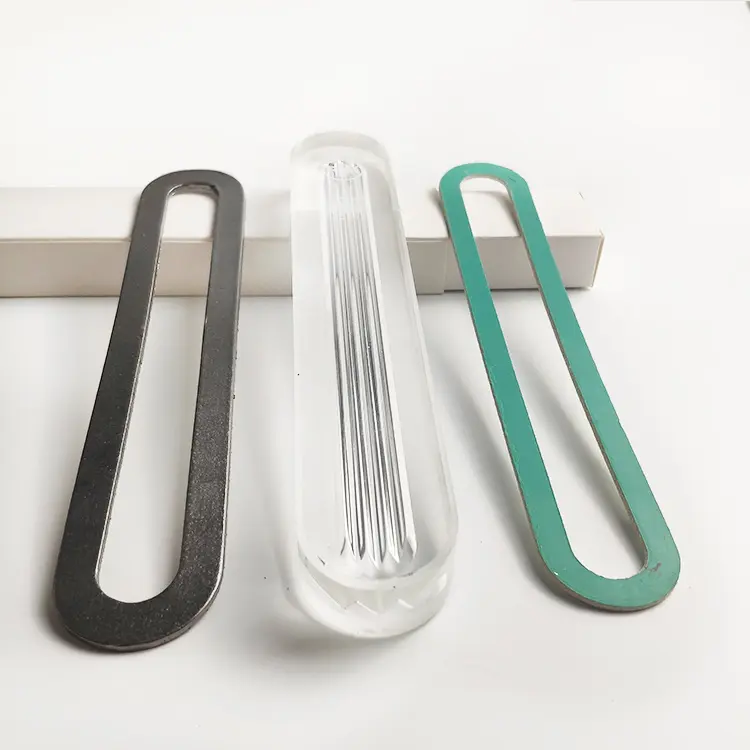
Overview of Glass Plate Level Gauge
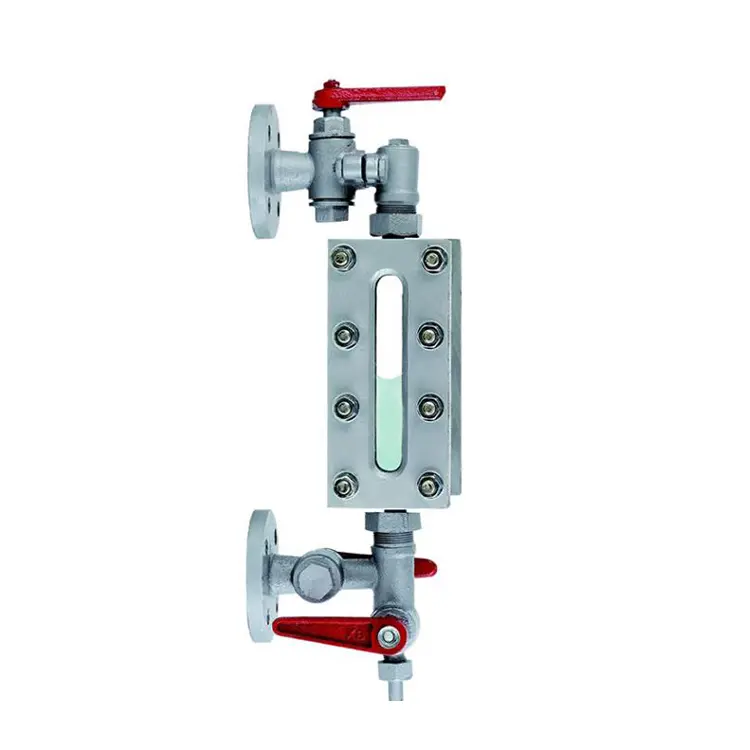
The glass plate level gauge is designed to display liquid levels in towers, tanks, spherical vessels, and boilers. This series of level gauges features strong sealing performance and effective leakage prevention.
It operates reliably under high-temperature, high-pressure, and corrosive conditions. Compared with traditional glass tube level gauges, it eliminates problems such as unclear readings and easy breakage. The gauge provides a clear display, a wide measuring range, and accurate measurement with no blind spots.
Avoidance of Magnetic Interference
Magnetic materials should not be placed near the glass plate level gauge. Iron wire must not be used for fixing or installation, as magnetic interference can prevent the gauge from operating properly.
Heat Tracing and Material Selection
Non-magnetic materials, such as copper tubing, should be used for heat tracing pipelines. The heating temperature must be determined according to the properties of the measured medium.
Vertical Installation Requirement
The glass plate level gauge should be installed in a vertical position. Vertical installation facilitates routine maintenance, inspection, and cleaning.
Medium Cleanliness Requirements
The measured medium must not contain solid impurities or magnetic materials. This helps prevent jamming or malfunction of the internal float mechanism.
Routine Cleaning and Maintenance
The main duct should be cleaned regularly to remove accumulated impurities. Cleaning frequency should be adjusted based on the condition and cleanliness of the medium.
Structural Support for Long Level Gauges
When the glass plate level gauge exceeds a certain length, additional support is required. For standard types longer than 3 meters and anti-corrosion types longer than 2 meters, a middle reinforced flange or ear plate support must be installed.
These supports enhance structural strength and ensure the gauge can safely bear its own weight.
Installation Location and Flow Stability
The glass plate liquid level gauge should not be installed near the inlet or outlet of the process medium. Areas with rapid or turbulent fluid flow should be avoided to ensure stable and accurate liquid level measurement.