1. Glass tube level gauge
The glass tube liquid level gauge can take different forms based on how it’s used. If the requirements are not high, it can be simple and self-made. The liquid level in the precision container can use a thicker glass tube. This helps reduce the capillary effect. A more precise cursor scale makes reading easier.
A floating magnetic steel piece, also called a float, is inside the glass tube. This tube connects to the container. The technicians install reed relays on the upper and lower ends of the glass tube. As such, when the float is close to the thousand reed relay, the relay generates a switching action. You can control or set alarms for the upper and lower limits of the liquid level.
A glass tube liquid level gauge shows the liquid level in low-pressure containers. It works for both open and sealed containers.
2. Glass plate level gauge
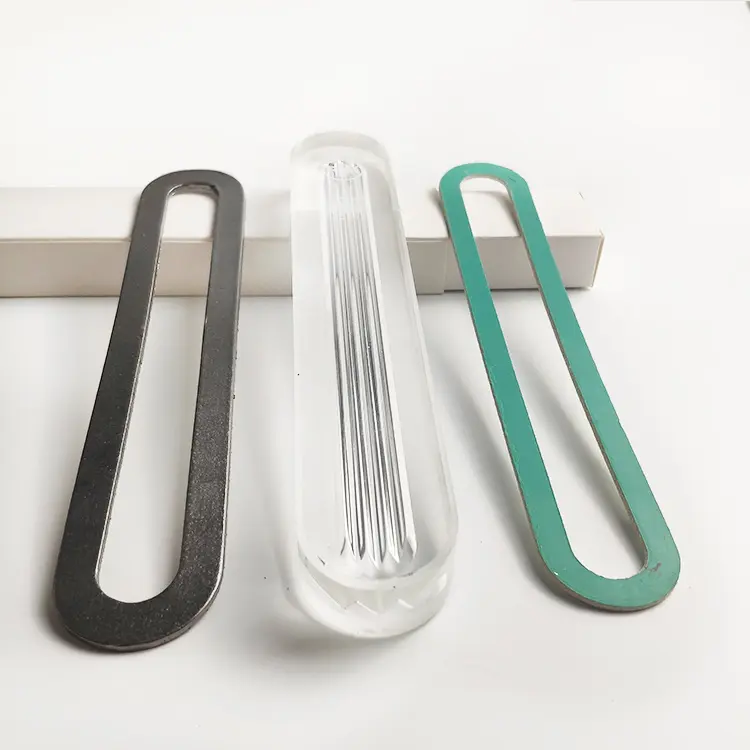
Its structure opens a thin groove in the thick tempered glass plate. The lower end connects to the measured liquid in the container through a metal tube. The upper end links to the space above the liquid surface with another metal tube. An operator attaches a valve to the container for operation.
The glass plate level gauge can handle high pressure up to 40 kgf/cm². It can measure the liquid level of many media like water, weak alkali, ammonia, and oils. It also works for copper propyl, benzene, and isopropyl alcohol, among others. To measure a larger range of 3-4 meters, connect several glass plate sections. This forms a meter that has a larger range and stays resistant to higher pressures. .
To prevent spills when the glass breaks, workers put steel balls in both the upper and lower valves. These valves connect the glass level gauge to the container. When the glass breaks, the steel ball seals itself. This happens due to the container’s pressure, stopping the liquid from leaking out.
Glass level gauges are not suitable for measuring viscous and dark-colored media. This is because these thick and dark liquids can stain the glass and create false readings.
A glass-type liquid level gauge is simple and cheap. It doesn’t need external energy and is easy to install. It functions well in places that lack power and require explosion-proof features. Even if reading it is tricky, it remains popular.