
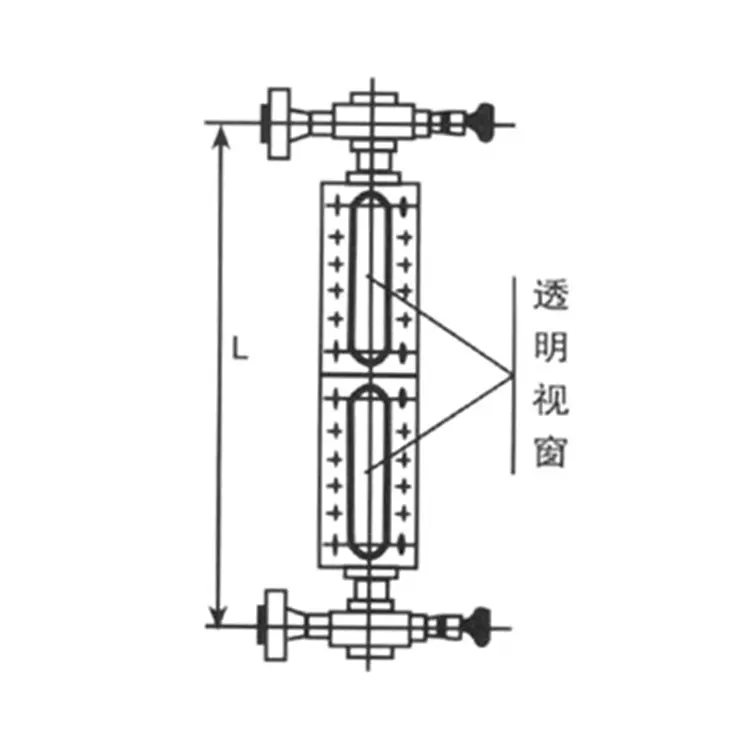
A gauge glass, or glass liquid level indicator, is essential in many industries. It helps you see the liquid levels in tanks, pipes, and other closed systems. Its main job is to give operators a clear look at fluid levels. This helps them make quick adjustments and avoid overflows or dry runs. Gauge glass is important in the oil and gas industry, chemical processing, and power generation. It helps ensure smooth operation and safety in these industrial processes.
 When a gauge glass breaks, it can pose a significant hazard. Glass shards can cause injuries. Also, losing visual monitoring can make the system less safe. In such cases, we must take immediate action. First, make sure you’re safe. Wear protective gear and clean up the broken glass with caution. Use wet wipes or tape to cut the spread of shards and dispose of them properly. If the gauge glass is in a critical system, use temporary measures to check the liquid level. This will help until you can install a replacement.
Gauge glass and sight glass may look alike and function similarly. But, they use different methods and have distinct designs. Sight glass refers to different types of clear windows. People use these to see inside machinery and equipment. Gauge glass shows liquid levels and works well in high-pressure and high-temperature settings. Sight glasses can have extra features. They might include safety covers or use special materials. These materials help resist corrosion and extreme temperatures. Gauge glass usually has a standard design. It focuses on giving a clear and accurate view of liquid levels.
In conclusion, gauge glass is a vital tool for monitoring and controlling in the industry. To keep industrial operations safe and efficient, it’s important to understand its purpose. You should know how to handle a broken gauge glass. Also, you need to tell it apart from similar devices like sight glasses.