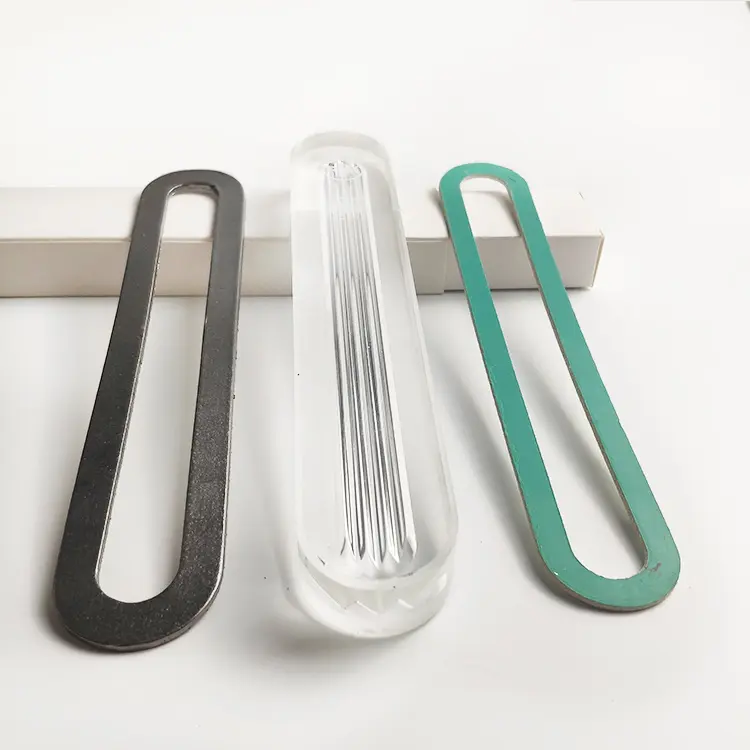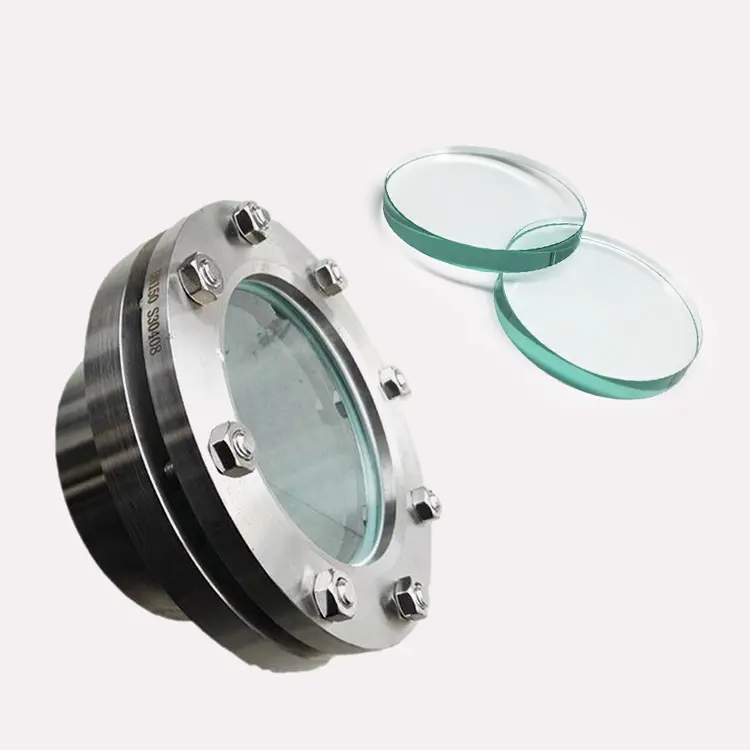

As a Level Gauges Supplier, I share this with you. The Reflex Level Gauge measures how the refractive index differs between vapor and liquid. It also measures liquid levels, and various processes can use it.
Quick summary
A reflex level gauge shows the liquid level. It uses a special grooved glass. This glass changes how it looks based on what’s behind it—liquid or vapor. This forms a bright (vapor) band next to a dark (liquid) band. This creates a clear level line without extra lighting.
1. Basic principle — optics, not electronics.
Reflex gauges depend on the difference in refractive index between liquid and vapor. They also use glass with vertical prismatic grooves on the side that faces the process. Light hitting the prism can do two things. If the groove faces gas or vapor, the light reflects back to the observer. But if the groove faces liquid, the liquid refracts the light and absorbs it. The result shows a clear boundary: bright where gas is present and dark where liquid is.
2. Main components
-
Prismatic sight glass (grooved/prismatic rear surface).
-
Body/chamber that connects to the vessel so the chamber level equals the vessel’s level.
-
The package contains protective covers, a flange assembly, and sometimes valves. These items help with isolation and maintenance. These parts create a visible interface. The prismatic glass is the key element.
3. Step-by-step operation
-
Vessel fluid fills the gauge chamber to the same level as the tank.
-
Ambient light (or room light) reaches the glass front.
-
In the chamber with vapor, light reflects off prism facets. This creates a bright, silvery look for the observer.
-
When the chamber holds liquid, light bends into it and doesn’t bounce back. This makes that area look dark.
-
The operator reads the liquid level from the sharp dark/bright boundary.
4. Why we choose reflex gauges (advantages).
-
High contrast without backlighting — clear reading of transparent liquids under many conditions.
-
Basic operation requires no power, electronics, or light source. It works on a simple, passive optical principle.
-
These are strong for industrial use. They are often found on boilers, separators, and tanks in chemical, oil & gas, and power plants.
5. Limitations and what to watch for
-
Not good for fluids that foam a lot, are very opaque, or have many suspended solids. This can affect contrast.
-
Surface damage or fouling on the prism grooves can lower visibility. So, regular inspection and cleaning are important.
-
For some media and services, you might prefer alternative gauges. These include transparent tube gauges and magnetic or flanged electronic gauges.
6. Installation & maintenance best practices
-
Install isolation valves. This way, you can remove or replace the gauge without having to depressurize the main vessel.
-
Provide protective shields where mechanical damage or thermal shock is possible.
-
Inspect the prism face at consistent intervals. Clean it as needed. Replace any scratched, etched, or glass that is difficult to clean.
-
Check supplier papers for glass type and pressure limits if you use parts for high heat or high pressure.
7. Typical applications
Reflex level gauges are common for clean, clear liquids in:
-
boilers and steam systems
-
chemical process vessels
-
oil storage and separators
-
Other industrial tanks need a high-contrast, direct visual reading.
8. Short comparison: reflex vs. transparent tube gauges
-
A reflex gauge provides a clear contrast for bright liquids, even without extra light. But it struggles with foamy or dirty fluids.
-
It can also be harder to read under steam or glare.
Conclusion
Reflex (prismatic) level gauges provide a dependable, low-maintenance method for reading liquid levels. They use light behavior on a prismatic glass surface. They are a reliable choice for clear and quick level signs without electrical aids. This is true when the fluid and service conditions are right. Also, they must have someone to perform routine maintenance.